How To Wholesale Real Estate
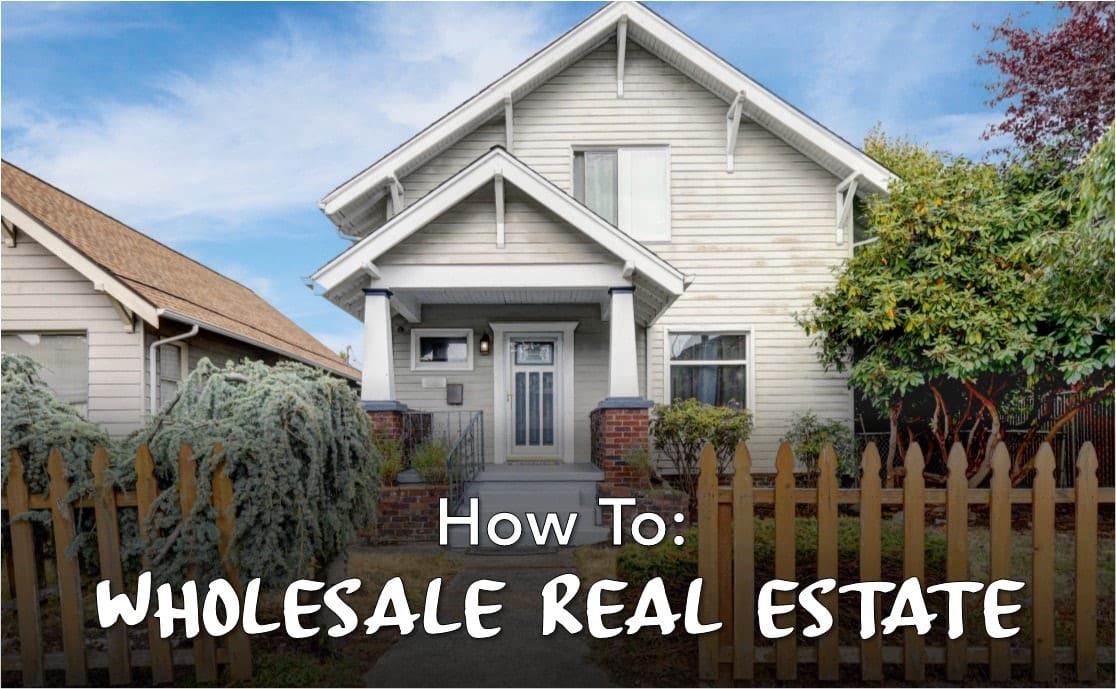
If you want to get into real estate investing but don’t have enough cash to start flipping houses, or if you have more property leads coming in through your funnel than you can take on yourself, real estate wholesaling could be a great option for you. In this guide, you will learn what it means to wholesale real estate, how to get started, and strategies to maximize your profits as a wholesaler.
What Is Wholesale Real Estate Investing?
Wholesaling real estate is an investing strategy where an investor focuses on finding distressed properties or sellers who need to sell a property quickly, offers to purchase the property “as-is” with cash. once the wholesaler signs a contract with the seller, they either “assign” it to an end-buyer (if the contract has an Assignment Clause) before the contract closing date, or they perform a “double-close” where they close on the property with the seller on the same day that they sell the property to an end-buyer (using a separate sales contract). Wholesaling real estate exists in both the residential and commercial markets.
- Residential real estate wholesaling is when an investor buys properties in zones that are designated for residential living, including both single-family homes and multifamily properties (depending on the zoning ordinances).
- Commercial real estate wholesaling is when a wholesaler focuses on office and medical buildings or retail establishments including strip malls and restaurants. Again, depending on zoning ordinances multifamily properties could be considered commercial as well.
Pros and Cons of Wholesaling Real Estate
The benefits of wholesaling properties include:
- Get exposure to finding investment properties and negotiating contracts with sellers
- The potential to earn enough in “assignment fees” (your cut as a middle man) to purchase a property to fix and flip
- Quick turnaround between negotiating a contract and collecting your assignment fee
- Doesn’t require the time, money, or experience needed to successfully renovate a property
The risks of wholesaling are:
- Sellers may not want to sign an assignable contract, and double-closes require two sets of closing costs
- Some contracts may not let you out of the deal if you don’t find an end buyer
- It can be time-consuming, especially for beginners who don’t have a good buyer’s list for leads
- Income is not guaranteed and can be sporadic
Tips for Wholesaling Houses
It can take a lot of time and energy to wholesale residential properties, but there are ways to streamline the process and make it faster and require less effort.
- Get your pricing strategy down. The ability to buy and wholesale properties successfully depends on your knowledge of what the property will be worth after renovations are complete, and what that means you can put it under contract for. Savvy end-buyers won’t overpay for the property, so you need to know what your contract price, assignment fee, and a reasonable resale price will be. This all starts with knowing how to comp the end product (fully-renovated property).
- Use technology. Manage your buyer’s list with CRM software (customer relationship management). Create templates in your email to save time. Hire a virtual assistant online to help you find and manage leads.
- Talk money with your buyer and be direct. Collect earnest money and don’t accept personal checks. You need to protect your financial interest and make sure the buyer is committed to the deal.
- The fortune is in the follow-up. Keep checking in with sellers to see if they’ve changed their mind and keep in touch with your buyers so you know exactly what kind of home they’re looking for.
- Always ask for a referral. Sellers might know other people trying to offload properties; and if one buyer can’t afford to take on another project, they might be friends with another investor who would be interested. It can be a great source of warm leads and it’s always worth it to expand your network.
- Use an investor-friendly title company. You want to make sure they are knowledgeable about assignments and how wholesaling properties works. Keep in mind that if the title company requires you to do a double-close, it means you will be paying 2 sets of closing costs.
The Steps to Completing a Wholesaling Deal
- Find a distressed property. Use your network, drive for dollars, take out an ad, put up a sign, and do whatever you have to do. You can’t start wholesaling houses until you’ve identified potential investment properties.
- Make an offer that’s lower than market value. You may be working directly with the owner or with an REO or “real estate owned (meaning a property owned by the bank). Remember that motivated sellers are likely facing financial problems if they can’t sell the home. Be tactful and work to gain their trust.
- Get professionals involved. If you don’t have the cash to secure the property, you may need a lender to help with a Transactional Funding Loan so you can provide proof of funds to your seller. You’ll also need a title company and an appraiser.
- Estimate the costs of repairs. Even though you’re not going to be fixing up the property, you need to know how much it will cost to fix it up to get the pricing right. If you price too high, you’ll have trouble finding an end-buyer buyer and if you price too low you’ll be leaving money on the table.
- Find an investor to buy the contract. A wholesaler needs a buyer’s list with solid leads who have purchase funds ready to go in order to market the property quickly before the closing date of the initial contract (placed on the property by the wholesaler). You need to know who’s buying what kind of houses and which neighborhoods they are looking for.
- Assign the contract to the buyer. This is the step where you collect earnest money and where you include your assignment fee.
- Close the deal. The property settlement won’t take long and once the title is transferred from the seller to the new buyer you’ve found, your deal is done, and you can get paid. Settlement usually happens at the title company’s office and it’s the title company who will give you your check.
Frequently Asked Questions About Wholesaling Properties
Do you need a real estate license?
You don’t have to have a license if you’re the person named in the buyer’s contract. Real estate professionals collect a commission on property sales for facilitating the deal but are not named on the sales contract as a buyer or seller. Wholesalers are named on contract and they collect an assignment fee (not a real estate commission) from the buyer for transferring that contract.
What is an assignment fee?
It’s the difference between what a wholesaler gets the property under contract for from the seller and what the wholesaler assigns the contract to the end-buyer for. That dollar amount is the profits that a wholesaler collects in the transaction.
How much money can you make wholesaling real estate?
Your income will depend on how many houses you assign to end-buyers, and how large your assignment fee is on each wholesale deal. Generally, you can expect $5,000 at a minimum for each single home property, and a lot more for multifamily. The better you are at negotiating with sellers, perfecting your resale comps, and building your list of qualified buyers, the higher your profit will be.
Do you need money to wholesale real estate?
No. You can start wholesaling properties without paying a penny in down payments or making a big investment. Keep in mind that if you intend to use a transactional funding loan that you will need to pay financing fees in the form of either a flat fee or a percentage of the purchase amount. It’s also helpful to have some money for marketing, paying an assistant, and other incidental costs.
Who pays the closing costs?
The end buyer usually pays all fees including the closing costs and assignment fee. Many contracts also include marketing costs, title insurance, and other miscellaneous fees as well.
How do I become a wholesaler?
There aren’t any certifications or classes required. Anyone who can legally enter a contract can do it. All you need to do to start is to follow the steps outlined above, beginning with finding a motivated seller with a distressed property.
Before you start, you’ll need to do your research. It can be helpful to network with other real estate investors to ask questions and to get your team of professionals together. At the very least, you’ll need a lawyer to help you draw up contracts, a title company for your closings, and title insurance and a buyer’s list.
Why Probate Real Estate is Great for Investors

If you’re tired of driving for dollars and endlessly searching for leads on investment properties, moving into probate real estate may be a good solution for you. It’s an ever-growing market with a lot of profit potential. Below you’ll learn the ins-and-outs of building an investment portfolio using probate real estate and how to get started building your leads funnel.
What is Probate Real Estate And How Does it Work?
Probate is the legal process of distributing a deceased person’s properties and assets to their heirs. It includes their own home and any real estate that has their name on the title, whether the property is solely or jointly owned. It also includes all of the other assets like personal property, bank accounts, and investments.
The distribution process is supervised by a probate court. The process may be lengthy which is one of the downsides because of the massive amount of paperwork and the need for attention to detail. Everything in the process must be appraised, executors named, titles researched, creditors notified and paid, and finally, the heirs will receive their inheritance, and will become the new owners. This is where the opportunity lies for real estate investors.
Not everyone wants to inherit a house. The property could have infestations, it adds another set of property taxes and bills to pay, as well as keeping it up. The house may also have structural issues, or be packed full of outdated and non-valuable furniture or clutter. Not to mention dealing with an HOA if the property falls under their realm.
Another reason properties get sold in probate is if you have multiple heirs, and nobody can make a decision on what to do with it. Many heirs would rather sell the property and walk away with money than deal with the headache that comes with a single asset divided among multiple heirs. That is why savvy investors use probate properties to build their lead funnel and portfolio.
When the heir or heirs sell to an investor or wholesaler, they can turn a quick profit, and the investor can have a new project to rehab and sell or use as a rental property. You are eliminating stress and hassle from the seller, and getting a property you can flip to sell, or rent if it is in a college, military or vacation destination.
Why Probate Property Leads Can Build Portfolio Stability
Learning the process of probate and what could happen is your gateway to this source of deals. It also prepares you for obstacles like unknown heirs laying claim and title issues. Once you have this part down, you can use this knowledge to build a solid funnel of leads that stabilizes your portfolio since inheritances don’t follow any seasonal trends or fluctuations like the rest of the market.
People are continuing to live longer, but not everyone updates their home – especially when they’re older and on fixed incomes. When an outdated home hits the market, it cannot compete with smart homes, houses built using new materials, or with options that contain eco-friendly and cost-saving features. This has created an influx of “undesirable” homes given to heirs who may or may not have any interest in owning additional real estate, which gives you a golden opportunity to buy cheap and flip.
You might be surprised, but the best time to look at probate is when you are at your busiest. The time frame from death to market is long, so while your current projects are underway, you need to begin working these deals. Negotiating a probate deal during your busiest months may mean you can secure the property and rehab through the colder months and be ready to sell when the market heats back up.
Another benefit of investing in probate real estate is the visibility you stand to gain in neighborhoods that may have other homeowners or heirs looking to offload unwanted properties. By simply putting up a sign in the front yard of a property you are rehabbing in one of these neighborhoods can relay your message to the neighborhood that you buy houses “as-is” and can alleviate the headache of owning an unwanted property. It may also be a good idea to have a brochure box with handouts so that neighbors can keep you in mind if they will be entering the probate process in the near future.
Hottest 2019 Renovation Trends in the DC Metro Market
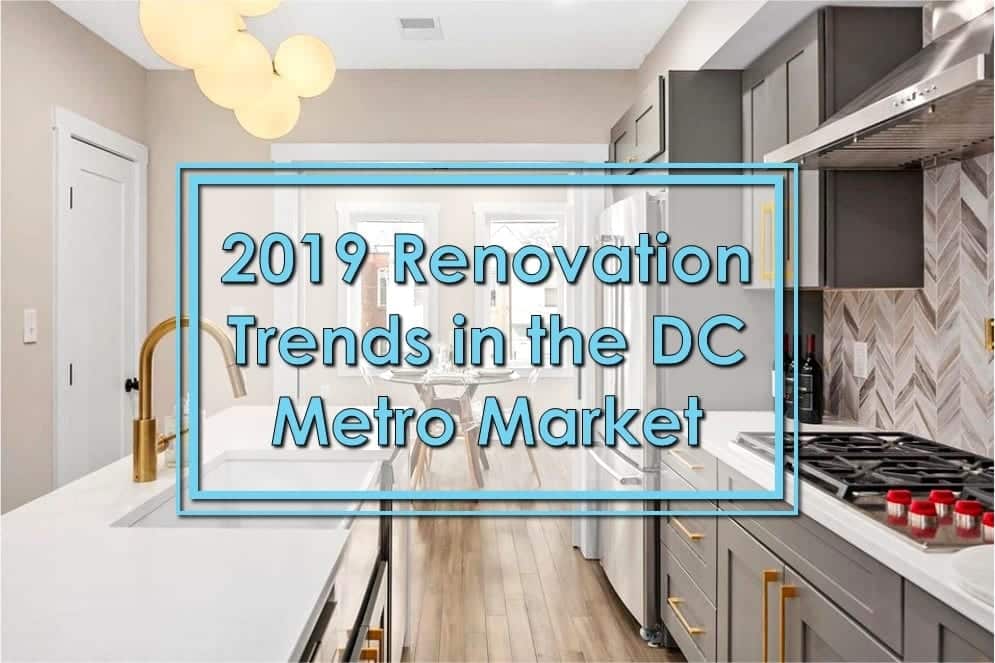 One of the keys to successfully flipping a house is knowing what trends local buyers are looking for in a renovated property. Not only do these popular choices in materials and design typically translate to fewer days on market, but they are proven to deliver a solid return on investment in the DC metro area.
To determine what trends you should consider for your next property rehab we compiled features and materials across 50 DC-area properties that we have funded so far in 2019. In no particular order, here is a list of the top features included in successful renovations:
Colored Trim Work Along the Stairs
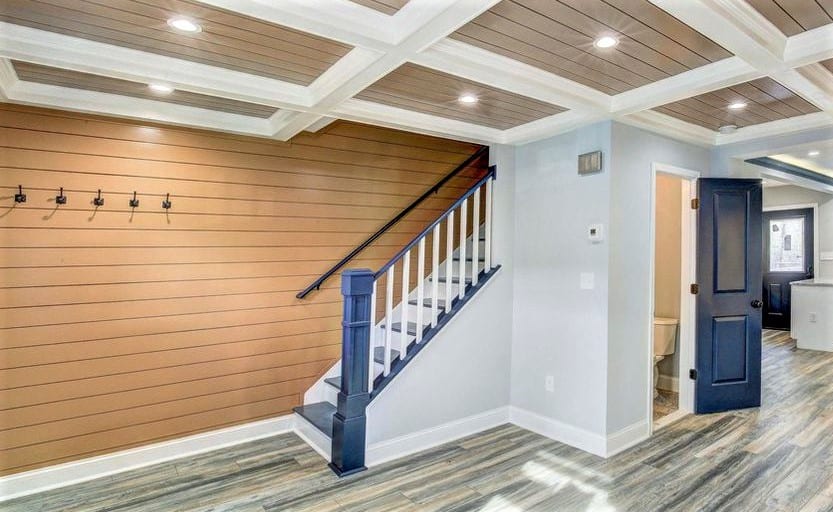 Bright white is the time-honored hue for wainscoting and other trim work, especially on older stairwells that might not have the best lighting. It’s time to take that trim into the modern era by adding some personality with color.
Shades of blues and greys are dominant in the market now, giving a splash of color without being an over-the-top accent that may turn off potential buyers. If you want to blend the old and new color trends, try painting just the panels of the wainscoting leaving the rails and stiles a traditional white (or vice-versa for a contemporary take on the classic feature). Or for a look that has a bit more personality, try long horizontal boards with a fun Whichever style you choose, the good news for this trend is that it takes just a little trim and paint to make your staircase stand out.
Patterned Tile in Bathrooms
 Patterned floor tile is in vogue, surpassing more monochromatic and simple tiles from years past. Try an intricate design to make a statement or use a splash of color to offset an all-white bathroom. If you have a more traditional-styled vanity or bathtub, patterned tiles could be a great accent to hammer home the modern revival of Victorian-era style.
No matter what color or material you choose, a patterned floor updates the look of a property and works in all types of homes from historic row houses to on-trend urban condos.
Lighted & Illuminated Mirrors
 Modern mirrors have simple designs and high-tech features. Lighted mirrors eliminate the need for extra lighting like sconces that can clutter a smaller bathroom. In-mirror lighting provides the most flattering light for getting ready in the morning or applying makeup – after all this design has been in use for smaller makeup mirrors for decades). In addition to front-facing lights for lighting up your face, other “illuminated” styles feature softer backlighting to make mirrors look like they are floating on the wall.
Combine in-mirror lighting with coordinating accent lights for a stylish yet practical ambiance that works for buyers looking for their own personal spa as well as those who need the added convenience to prep for a night out in DC.
Accents on the ceiling
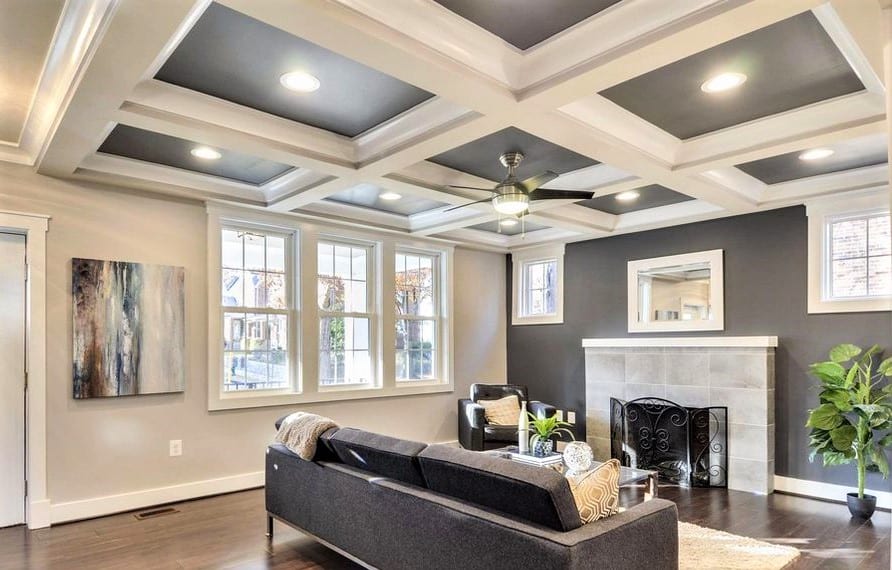 Making an impact in unexpected places continues to be popular, and real estate investors are turning plain ceilings into major wow-factors more than ever before. This historically underutilized space provides the perfect canvas for creating a design theme in an otherwise unimpressive space. Here’s how to get the look:
Here are the most popular styles and tips on implementing them:
| Traditional |
Create a coffered or tray ceiling with accent paint or wallpaper on the raised sections |
| Farmhouse |
Cover the ceiling in reclaimed wood planks |
| Eclectic |
Use bold color combos like Pantone’s Color of the Year, Living Coral (16-1546) with crisp white trim (careful not to paint it with your own taste in mind, but rather what is popular and particularly what has been used in a recently sold comp) |
| Industrial |
Add metal beams or varnished plywood panels screwed in with galvanized zinc screws |
Brass hardware
 Move over oil-rubbed bronze! Brass is the new hot hardware for bathrooms and kitchens. Whether it’s a shiny cup pull on a drawer or matte bars on a cupboard, brass is the new go-to metal for 2019 renovations. This look pairs especially well with grey and blue cabinets which are also trending. This is great news in the Washington DC metro area because many older homes were originally fitted with brass, particularly on windows and doors.
The good news for buyers is that cabinet hardware is easily swapped out and takes next to zero DIY skill, so buyers can change up the look and feel of their kitchens and baths easily.
Blue kitchen islands
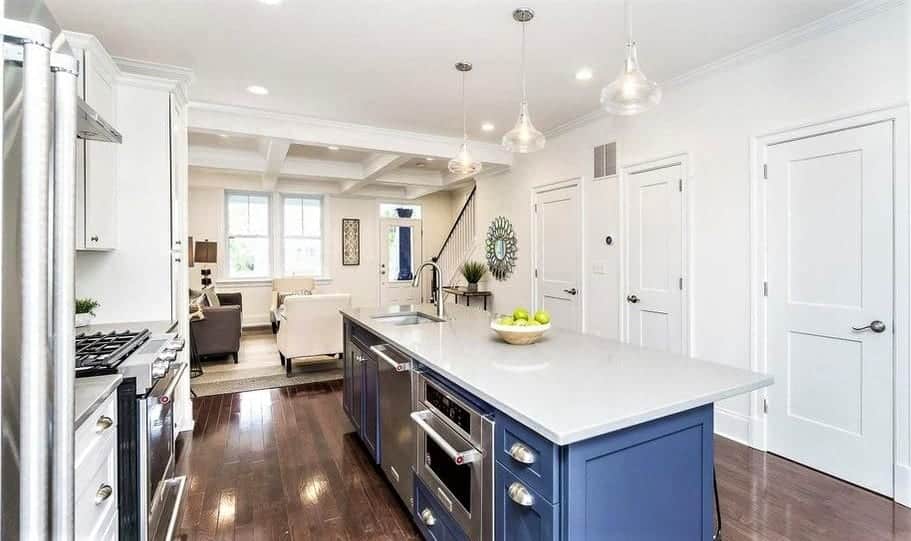 Islands continue to be popular in kitchens and as mentioned above, painting the island blue is a modern trend that somehow feels traditional. Whether it’s a deep navy or distressed periwinkle, blue islands provide a focal point and contrast with traditional cabinetry.
This look pairs well with white cabinets as well, so that you don’t need to feel like you’re too “out on a limb” with your paint choice since the rest of the cabinetry can remain a time-tested favorite.
Quartz countertops
 Kitchen remodels used to have granite counters as a standard option, but styles are changing and quartz is taking center stage in higher-priced markets like the DC-area. It’s a durable option that doesn’t have to be babied like marble and resists stains better than granite or concrete countertops, yet still feels like stone.
Modern technology allows quartz to be made in a range of colors and patterns with a precise, non-porous finish, so the look of the kitchen won’t be limited to the slabs on hand in the stone yard. Due to its durability and the simple fact that you can find quartz to match just about any kitchen design theme, all signs point to quartz being a rehab material that’s here to stay.
Mixing round and rectangle tiles in the shower
 Subway tile is a classic look for a bathroom, and this year it gets an update by mixing the blocky rectangles with the curves of rounded tile. A 2019 trend that’s been catching on in locally is juxtaposing large, rectangular wall tiles with smaller penny rounds or irregular river rock tile on the floor and accent areas. It’s a budget-friendly option for giving a basic bathroom a luxury feel provided by the use of complementary elements.
Round and rectangle shower tile ideas are limited only by the imagination, but here are a few to get your creativity started:
- Make the shower into a showcase by adding a border of gorgeous sealed travertine circles.
- Highlight built-in features by covering the wall above a bench seat with an iridescent fan tile.
- Tile the shower floor in river rock or pebble tiles.
- Add contrasting penny tiles to the back of a niche to kick an otherwise underwhelming bathroom up a notch.
Tiling the shower is a small project that can pay off big and don’t be afraid to experiment in small spaces.
Real Estate Investing in Fort Lauderdale
 Fort Lauderdale: A Historic Beach City Primed For Investors
The dream of living at the beach in Florida, with crystal clear waters and unlimited recreation is shared by many. But the thought of Miami and Orlando prices can put an abrupt end to those end to those dreams. That’s why Fort Lauderdale is a hidden gem for buyers looking for updated homes on the Florida coast with reasonable prices, and the real estate investors that cater to them.
Ft. Lauderdale is home to a bustling, diverse food and entertainment scene. The city has high-paying jobs, and easy access to party cities like Miami when you want a close-by getaway. There is also a cruise port where you can board a ship for a weekend vacation to the Caribbean with no hassle. But the amenities aren’t the only reasons people are flocking to this Florida city – price is a major factor.
As the Miami market continues to skyrocket in price, businesses and individuals alike are fleeing to Ft. Lauderdale. This has created opportunities across both the commercial and residential markets for real estate developers and investors. The increase in demand for updated real estate has been met with both new construction and renovation projects on both a large and small scale. Fort Lauderdale has simply enjoyed a steady increase in buyer and renter interest due to Miami’s overheated market, with no shortage of inventory.
This new demand has supported the opening of a plethora of restaurants and entertainment venues that accommodate the growing luxury and amenity-heavy areas of the city, yet prices have remained consistent without following the direction of Miami-based food and entertainment. This gives buyers and renters the benefits of a big city without the hefty price tags.
Now is the interesting part and why we feel Ft. Lauderdale is such a great opportunity for real estate investors. Not only are businesses moving into this area, but many of the original homes that have endured the hot summers and countless hurricanes are still standing. Just because they are standing does not mean they are in good condition.
Many residents are looking to offload properties that have been damaged by Ft. Lauderdale’s climate either because they are tired of performing the same repairs over and over or they simply can’t afford the added costs necessary to keep their property in working order. Flooding, mold, and roof damage are just a few of the common issues that property owners see in the region, making upkeep and repairs less desireable for both lower-income and elderly owners. In addition to owners voluntarily offloading distressed properties, bank foreclosures have been consistently rising in the Ft. Lauderdale area over the past several years. This provides for plenty of inventory for fix and flippers, and makes Ft. Lauderdale is one of the hottest new markets for real estate investors. There is no shortage of opportunities to buy properties for cheap, renovate, and sell or rent to the mid to high-end market. This is what makes Ft. Lauderdale perfect for real estate investing.
Now that we’ve gone through what makes Ft. Lauderdale is an excellent choice for investors and developers, let’s jump into where to begin your search for investment properties.
Top Neighborhoods for Investing in Fort Lauderdale, Fla.
● Colee Hammock: With homes dating back more than 70 years along waterways, and the surrounding “Hammock” area of evergreen trees, this is an exciting part of town. Colee Hammock, named after the Colee family who founded it in the 1830s and the Hammock section of trees not generally found in the South, is known for its buildings being built on rises on account of the marshes and waterways.
This town has more to offer than just homes on risen grounds, though. Local attractions in this neighborhood include a variety of restaurants, museums, and art galleries. Buyers looking in this neighborhood will also enjoy the luxury of living only a mile and a half from the beach.
Being one of the oldest communities in Ft. Lauderdale helps to make finding properties that need rehabilitation or prime for a teardown and rebuild project easy. The inventory of distressed and outdated properties paired with the demand for updated housing with views or/access to the water makes Colee Hammock a great spot for real estate investors.
● Tarpon River: Tarpon River is another town built directly on the water. It is built between two rivers making this town ideal for water sports and recreations and is also home to the famous Tarpon River Brewing. There are also plenty of restaurants and attractions to enjoy, including the Replay Amusement Museum. This makes the neighborhood an ideal spot for ex-urbanite who wants to entertain and have an active social life. Renovations are the big sellers here, so comps will be easy to find.
● Victoria Park: Victoria Park is a neighborhood with a lot of potential for higher-end real estate investors. This part of town was established in the early 1900s and is home of a very forward-thinking community. With a diverse demographic makeup and a high resale value, Victoria Park is stylish and sophisticated yet vibrant and colorful. This trend is reflected in both the local culture and design elements of the real estate.
Sitting at just a mile away from Fort Lauderdale Beach, this community features high-end shopping and dining experiences. Also, being in proximity of five parks, the Broward Center of Historical arts, War Memorial Auditorium, and the Isles of Las Olas, there are plenty of authentic Floridian experiences for potential homeowners.
Properties in need of rehabbing and rebuilding are not in short supply. Because of the amenities and welcoming community, it is a perfect spot for families and couples looking to enjoy the benefits of a diverse community, but without the hassles and craziness of a major metropolis.
Fort Lauderdale is a huge opportunity zone for real estate investors. There are plenty of older or weather-damaged homes for investors, and a growing population of highly skilled and highly paid individuals. If you’re looking to expand your portfolio, this is one beach city that you don’t want to pass by.
Why Pittsburgh is a New Hot Market for Real Estate Investors

If you’re looking to expand your portfolio and grow your real estate investing business, take a look at the Steel City. Pittsburgh is an up and coming market for real estate investors and starting in 2020 it’s on our watchlist for cities with high inventory and demand. But before we explain what the opportunities are, here’s how we came up with the data points to determine this area:
It all starts with education and the workforce. Pittsburgh is the home to CMU which is famous for its technology and engineering programs which are producing an abundance of highly sought-after tech employees. Next door you have the University of Pittsburgh which is world-renowned for both their business and medical programs. This creates a highly skilled job force with a need for housing.
In 2018 the city reached 495 tech companies within its boundaries, including Google, and it is still growing. Along with the boom of white-collar jobs, blue-collar jobs are being created as the demand for services and retail increases. The balance of white and blue-collar workers provides investors with opportunities to cater to both the higher-end buyer’s market as well as the renter’s market. The city has plenty of old houses to pick from, so un-renovated inventory is available for either strategy.
You’ll see once-neglected warehouses and unkept swaths of land on the rivers are now filled with shopping,
(more…)The 15 Best Cities for Real Estate Investors & Why

Are you thinking about becoming a real estate investor? Maybe you’re experienced and looking for a new market to move in too. We’ve compiled the list below to showcase the best cities in the US to invest in real estate. The list and rankings have been created by using a custom a ranking system based on data collected from government organizations, job market stability (military, large technology companies, and government agencies), median incomes, population fluctuations, urban development programs, and other factors like housing availability that are key to real estate investing.
The Best Cities in the USA for Real Estate Investing
Let’s count them down…

-
15) Atlanta, Georgia
With numerous urban development projects, a large population, solid government employment, and stable corporations, plus an expected 6% growth in IT jobs in the near future, Atlanta is promising if you’re looking to start flipping houses or build a rental portfolio. The city features a strong amount of white collar jobs and easy access to the world due to the world-class airport making it a desirable location for end-buyers. That is why they’ve made the number 15 spot.

-
14) Philadelphia, Pennsylvania
The home of the cheesesteak, soft pretzels, and the Liberty Bell – these aren’t only reasons to love Philly. They’re also a current hotspot for real investing. At number 14 on our list, they have a large population, a solid amount of government employers and military bases, meaning there will always be a need for housing. If you look through the city and suburbs you’ll find numerous areas with houses and condos prime for rehabbing and rebuilding making it a perfect city for real estate investing opportunities. This is an especially attractive market if you don’t have access to a ton of capital since many up and coming neighborhoods still have very low purchase prices.
-
13) Baltimore, Maryland
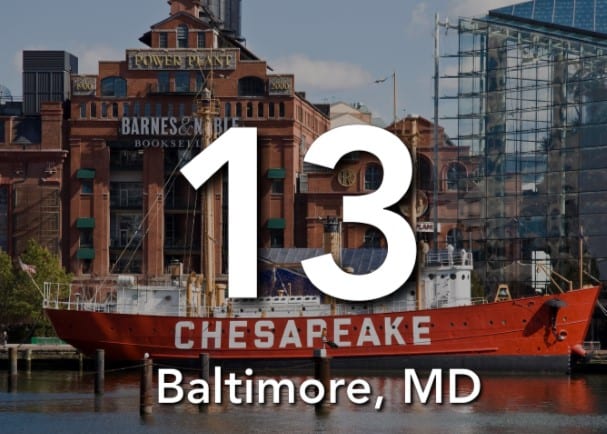
From an incredible inner-harbor which boasts fine dining and a world-class aquarium, to the renown Old Bay Seasoning company, Baltimore comes in as the 13th best city to run a real estate investing business in. The city has a lot of wealth and with the revitalization efforts to bring people back in, they’re looking for new homes with modern amenities. Purchases prices within the city can be very low, but be wary of what drives the price point, as some areas are still considered overly risky for an investor. On the plus side, Baltimore is also home to tech giants and government contractors that give it a stable force of white-collar workers moving in and looking for homes.

-
12) San Antonio, Texas
The Alamo city, Mission city, and River city – when you have this endearing nicknames, it’s clear people love the city. San Antonio has a fast-growing population, and in fact, it has one of the largest populations in the country with a median income of over $50,000 and has both military bases and government offices. All of this means there is a consistent flow of homeowners coming in because of job stability, making it the 12th best US city for real estate investing.

-
11) Dallas, Texas
Dallas is one of the largest and fastest-growing cities in the USA. It thrives on technology companies and has a significant amount of urban renewal projects. There’s also never a shortage of things to do, including sporting events, theatre, and music, fine dining, and giant county fairs. With a high median income and a stable job market, they rank number 11 on the list.

-
10) Seattle, Washington
Seattle has almost everything we looked for when choosing the best cities for real estate investing. They have huge tech companies like Microsoft and Amazon. You’ll find a lot of wealth and a huge population, and a ton of innovation and modern amenities. With a median household income coming in over $78,000, the city has a demand for updated housing, with a particular focus on smart home features and conveniences. This is why they made the number 10 spot on our list.
-
9) Boston, Massachusetts
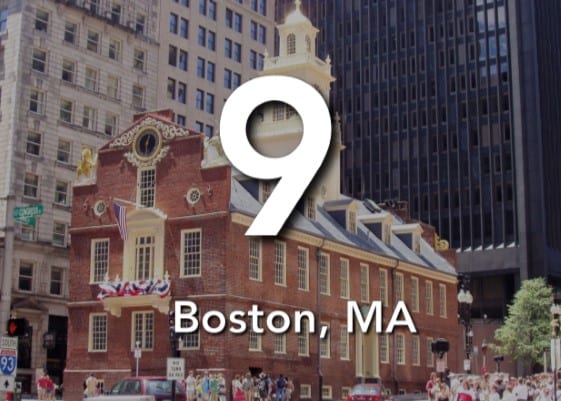
We all know of Boston for its American history, sports teams, and stadiums, but Boston also has some of the most prestigious schools in the country. It is also one of the largest and wealthiest populations, and the city has numerous urban renewal projects. There’s no shortage of older houses in both established and up and coming neighborhoods, making Boston another excellent city for purchasing investment properties that need repairs. As an investor, there is plenty of opportunity in one of America’s most historic cities.

-
8) New York City, New York
The Big Apple might surprise you as a prime opportunity when searching for cities to enter real estate investments, but it is not a place to overlook. Whether it is in the city or the outlying areas, you’ll find a ton of opportunities to buy properties for light rehab and resale, full renovations, rentals, or even condo conversions and mixed use. The opportunities arise from fires, infestations, outdated structures that need replacing or any number of reasons. With huge amounts of technology, government jobs, defense contractors being based there, and a median household income over $200,000+, it is a stable market that still has plenty of opportunities.
-
7) Chicago, Illinois
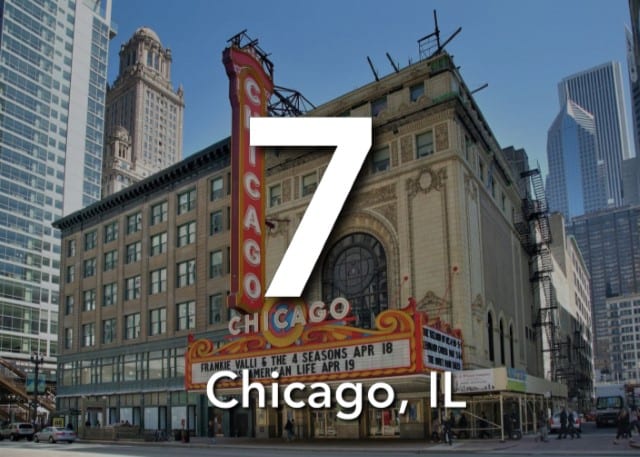
The Windy City is in the top 10 cities for real estate investing for numerous reasons. Forget the news reports about low amounts of jobs and high crime, when you look at actual city data you’ll see that Chicago has a military base and defense contractors. Both of these mean stable jobs and people who need somewhere to live. Chicago is a top city for federal employment which means stability in buyers and renters, and they have urban investments going on to revitalize major parts of the city. When you combine that with older homes and properties that need to be rehabbed or rebuilt, you have a prime market for investments. That is why Chi-town made our list at number 9.

-
6) San Diego, California
Home to universities, music festivals, celebrities, and gorgeous weather, San Diego is a destination for the wealthy to buy vacation homes and the middle class to live their dream life. The innovation scores in this city are high, as you have both technology companies and a military base. All of these lead to a stable job market full of folks looking to buy houses in this sunny city.

-
5) Los Angeles, California
Since the announcement of “The Metropolis Project” and a strong number of federal workers, LA has had the eyes of investors for a while. There are always people “moving to LA” to join the West Coast lifestyle once they can afford it, not to mention the wealthy individuals who already live there and want the latest and greatest. This is why the City of Angels is ideal for both luxury as well as mid-to-high-end flipping. It could be a condo in south Hollywood or a luxury house in the hills. No matter how you like to invest, this is a market with opportunities for those who have enough access to capital to cover the high purchase prices in desirable neighborhoods. TV networks like Bravo even base their house flipping shows here like Flippin’ Out.

-
4) Austin, Texas
When you take a fast-growing population that has money and you add in a city with a growing tech community and tons of room to expand, you have Austin. The largest tech companies in the world like Apple are basing headquarters here because of the highly skilled labor and the city has shown a dedication to urban renewal projects. There’s a ton of land to be bought and a heavy demand when it’s time to sell. That is why Austin takes the #4 spot on our list of the best cities for real estate investors to move into.

-
3) San Francisco, California
We all know about the housing market and sticker shock, but this is one of the richest cities in the US, and residents looking to leave fast and sell for cash. This makes for a sweet spot for the savvy real estate investor. Not only are they a tech town, but they are also a city with high levels of federal employees making for a safe job market. Yes, the cost to entry is high, but if you know your stuff and your negotiating skills are primed, this is a market you want to be in! And if you’re looking to make a longterm play, you could pick up a property from a motivated seller, hold it through the volatility, and sell after the market stabilizes for traditional San Francisco prices.

-
2) Washington, DC
Number two on our list of the top cities for real estate investing is our nation’s capital and our company’s stomping grounds. DC has one of the largest amounts of federal employees, government contractors, and technology communities in the country. When you combine that with large amounts of investing in urban development and a city with numerous neighborhoods looking to sell properties, you have one of the largest markets for investment opportunities available. When you combine that with the military bases, defense contractors and the Amazon H2Q just across the river, DC easily wins the second best city for real estate investing in the United States.

-
1) San Jose, California
The number one city for real estate investing in San Jose, boasting one of the largest populations in the country. It’s a tech town with a ton of innovation, the local government invests in urban renewal project with the “Diridon Station Area Plan,” and they have a military base. But that’s not all – the unemployment rate is below the national average, over 22% of the households make more than $200,000 per year and it is constantly growing. With access to high paying jobs and a great way of life, it is prime for savvy investors and tops our chart as the best city for real estate investing in the United States.
5 Ways to Turn Under-Stair Space into a Showpiece

In many historic homes, access to the basement is not located under the main staircase, leaving an empty, underutilized space. This is especially prevalent when the basement was built as or will be converted into a separate unit with its own exterior entrance. These spaces are also common in the basement as well, since they are the lowest level of the property. Modern designs, however, don’t tend to have this issue of “dead space,” but if your fixer-upper has the opportunity to use this area to add value to your property, we’re here to give you inspiration.
Below you’ll find 5 unique ways to turn the under-the-stairs small space into something you’ll love to show off, instead of just storing holiday decorations and boxes.
The tech-friendly mentality has become more and more of a standard in modern real estate. There’s a laundry list of conveniences and benefits of having a variety of electronic devices in the home, but many of these gadgets can be unsightly if they are simply left out in the open.
Utilizing the space under a staircase for a media closet allows potential buyers to rest assured that their surround-sound control unit, Wi-Fi hub, security control unit, and smart home hub all have an organized space in the home without adding to the clutter/exposing them to potential damage. As long as your electrician knows ahead of time to wire this area correctly for modern electronics, this space simply needs shelving and mounting areas for the buyer’s devices. You may also want to consider adding temperature control features like fans or connected vents for air conditioning, as many devices tend to heat up with use.
The space under the stairs can be a perfect place for a wine cellar but don’t think this has to be a large, “authentic” cellar. You can use the basic layout of a butler’s pantry, with storage for glasses above, and a wine cooler below and then individual bottle displays on each stair to showcase a vintage or collectors bottle. To really make your wine “cellar” stand out, you can add stonework or rustic wood to the walls and functional yet mellow lighting to truly give the space a cozy feel that any wine enthusiast will appreciate.
-
Sensory Deprivation or Meditation Rooms
Another creative way is to create a sensory-friendly space that provides isolation from the rest of the home. With the growing popularity of sensory deprivation as a form of introspection or meditation, creating a small space for this may appeal to a trendy buyer. This can also potentially be an escape for children with autism or SPD (sensory processing disorders) who need a break from everyday stimulation including lighting, smells and sounds.
Sound-proofing this space is easy, with materials readily available from vendors and generally simple installation methods. While sensory deprivation has plenty of trendy and functional benefits, this area can easily double as a simple prayer or meditation area, with the focus being on sound-proofing but not necessarily requiring the suppression of light, smells, etc.
Another simple and effective use of this space is to make it a small library. Here you can match the exact decor of your home and add to the overall aesthetics while saving space and storing your book collection. There’s a huge variety of space-saving shelving options available to maximize even the smallest of spaces under the staircase.
Coats take up a ton of space, especially if you’re having a party. Having an overcrowded closet by the front door or a coat rack that’s already full is not a welcoming site. Your under-stairs empty space provides the optimal solution for storing jackets, hats, umbrellas and even suitcases for overnight guests after they unpack.
You can also take it to another level by customizing cubicles for each family member to store shoes, coats, umbrellas or whatever else they take on their daily trips – from purses to bookbags. This also keeps these items in one space – there will be no more wasted time searching for the purse or coat minutes before leaving the house.
Bonus Tip!
-
Half Bathroom/Powder Room
This is an extremely popular and creative way to utilize wasted under-stair space. A powder room is simply a toilet and a sink to wash up. A downstairs powder room is a huge positive from a buyer’s perspective since the need for guests to enter the bedroom area of a home is eliminated. Many staircases won’t allow enough room for this space outright – at least without adding a few more square feet – but this is a huge plus for investors that can make it happen in their property.
This idea works especially well when the plumbing is already near and accessible, versus the expensive task of creating new plumbing to make a half bathroom possible.
The space under a staircase can be so much more than just drywall, yet so many properties don’t utilize this area to its fullest. With a little creativity, you can turn the space under a staircase into a major selling point for your investment property and it may even tilt the scales in your favor against a very predictable competitor when renovations are done and it’s for sale on the market.
Is a Real Estate License Worth Getting as an Investor?

For an investor, getting a real estate license has a lot of pros, but the cons come in the form of the time, including the money, time and effort spent to receive it. This post walks you through both sides of the equation and provides you with situations so you can finally decide if you should go for it or hire an agent you can trust.
Is a Real Estate License Worth it For Investors?
Let’s start with the downsides of getting your license. You’ll spend hours going to classes or completing online courses and there will be more time spent studying for the licensing examination, followed by meeting with brokers to choose where to hang your license. In addition to the time it takes to learn the required curriculum and secure your license, there are several monetary costs as well.
The costs of a real estate license* include:
- Training, book fees, and/or tuition before licensing exam: $300-$800
- Application Fee: $100-$250
- Licensing Examination Fee: $35-$100
- License Fee: $200-$500
- Criminal background check and fingerprinting: $20-$40
- Broker fees, generally a percentage split of your commission plus a monthly desk fee: varies
- E&O Insurance annual premium, if not covered by the brokerage: $650-$700
- MLS listing annual subscription: $200
Some of these costs may be covered by the broker of your office, but its typical for realtors to incur the cost of many of the items listed above. If money isn’t a concern, but time is, then it probably doesn’t pay to get licensed. You can hire an agent that you trust and get to enjoy the life you’ve worked hard to build. Then again, sometimes the market slows and rehabbing, renovating and flipping properties slows. This is when even an experienced investor can find some time in having a real estate license.
The Benefits of Having a Real Estate License as an Investor
If you’re just starting out as an investor and want to focus all of your capital on acquiring and rehabbing properties, then the extra work of becoming licensed may make sense so you can save money on commissions as well as cut your own deals. You can also take on client work while building your portfolio and reputation.
The time and money you spend getting licensed could pay off quickly because of the pre-licensing education process, which in most states includes courses that will bolster your knowledge of market analysis, pulling comps, and structuring contracts. These are all useful skills for any investor to have and will benefit your house flipping business, so you may end up getting paid back in commissions and a bolstered knowledge of the industry.
By receiving your license and gaining to the MLS database and you’ll be able to find properties in the neighborhoods you’re most interested in as soon as they hit the market. Many MLS databases have built-in features and tools that can help you identify and track neighborhoods that you are most interested in by variables such as tax assessed value, school districts, and proximity to amenities. The MLS also works as your ticket to higher quality comps by giving you access to tax records and other files that give you real, recorded data instead of educated assumptions like “Zestimates” from
zillow.com.
One final benefit for investors who get a real estate license is the knowledge gained and ability to more easily broker complex deals, pull in other partners to purchase properties, and work on projects which are difficult, if not impossible to do on your own. Factors like available funds, removing or evicting occupants/squatters, identifying and removing title liens, or just the overall scope of work for a project may require additional partners with access to different resources. Part of the real estate pre-licensing education includes structuring contracts, a skill that can be incredibly useful when dealing with partners and crafting complex property transactions with multiple equity holders.
As a bonus, when you’re working under a broker, you can help others buy and sell their properties too. This can be done as a favor for someone or used to barter a deal if the other party needs an agent. You waive your fee and you bring a buyer, they send you a few leads which only they know about in their market. This alone is worth the cost and time for getting licensed.
Time Saving Benefits for Having a Real Estate License
Getting your license not only reduces your costs, but it also makes finding deals more efficient, which means you can flip more properties per year.
- With MLS access, there’s no waiting for details about a property, you can look them up yourself.
- If you’re buying the property and selling, you don’t have to wait for non-responsive agents to do their part.
- You can list your property right when it’s ready to sell, not when an agent or admin to find time for it.
- As a lead from a buyer comes in, it goes directly to you versus a potentially busy agent.
- You can make decisions on the spot, versus risking a disagreement with your hired agent on pricing strategy or accepting an offer.
A real estate license is a good investment for investors who flip several properties a year and could use the commissions from those transactions to fund future deals. But if time is something you cannot sacrifice in the short run, or you want to focus on growing your business and sourcing new properties, and partnering with an experience, investor-freindly agent.
*Please note: these costs can and do change, these are at the time of research.
How To Know When to Sell Vs. When To Rent
If you’re investing in real estate using the fix and flip method, there’s a question that’s crucial for getting the highest return possible:
Do you sell the property for quick cash or rent it out for passive income?
This can be a tough one to answer because there are so many factors in play. Fortunately, we have some simple guidelines to help you analyze your potential properties and maximize the return on your investments.
Location, Location, Location
In the world of real estate investing, you’ll hear over and over how location is one of the most vital factors for success.
The same can be said when considering the sell vs. rent your flip situation.
To simplify, here are the crucial questions to answer:
- Forget about national trends for a second and take a closer look at your local market. Are the houses that match your potential investment property for sale or for rent?
- What drives demand for each in your area? New job opportunities? New schools?
- What are the sales/rental prices?
- Some markets are volatile, and some are insulated – could yours change dramatically between when you purchase the property and when construction is complete? Rentals are safe to ride out the local market fluctuations, but for-sale properties can win big if the timing is right.
- Renting may also be a viable option for a short period of time as property values in the are rise. If they see a significant jump after a few years, investors can simply update/upgrade the property to reflect the resale market and list their home for a large profit.
Rehab Budget
If you are working with a limited budget to fix the property, it may be more ideal to rent rather than flip.
The two main reasons why are:
- Rental-grade materials are almost always cheaper than higher-end components that are used to fetch a higher sales price.
- Rental rehabs are usually less extensive, with less money needing to be spent on demolishing walls, resurfacing “popcorn” ceilings, etc.
Tax Talk – Understand Capital Gains Tax
After the rehab budget, the next thing to consider is capital gains tax. The principle is simple – when you flip a home for a profit, you realize a capital gain.
How much you actually pay on those gains depends on various factors, including the ever-changing tax brackets and if you’re selling in less or more than a year.
Here’s a quick overview of the short versus long-term capital gains rule:
- Purchase to resale period is less than one year, the short-term capital gains tax is hefty.
- Purchase to resale period is over one year, the long-term capital gains tax will be about half the price of short term.
With little research you can find your exact number; we recommend
the Tax Foundation.
Of course, long-term investments are recommended for avoiding high capital gains taxes, but many still choose our
Fix and Flip Loans to see quicker gains, which is why many hard money loans are short-term (12 months or less).
Again – everything will be based on your personal situation. Always do your research to understand the financial costs and benefits when first deciding between selling and renting.
Seasonality Can Make All the Difference
Contingent on your market, if your rehab is not complete in time to hit the market during the warmer and more lucrative months for selling, you may consider holding onto it through winter.
This equates to either a few or many more months of taxes, utilities, and upkeep. The decision will weigh into the tax implications also, but this is a wise time to reconsider your options.
If seasonality will affect your uncompleted rehab flip, consider the following:
- Partial Rehab: Are you in a position to take on the front-end of a full rehab, selling the project when it is closer to completion and allows the buyer to make some final design decisions based on their own preferences?
- Refinance: Is it possible to refinance from a fix-and-flip loan to a longer-term rental loan?
- Rent: Would it make more sense to rent out the property until local market conditions are favorable?
- Go Higher-End: Can you make resale-level upgrades to your property and rent it out at a higher amount, and not have to worry about a significant rehab when you are ready to sell?
- Sell: Would you make any gains and have fewer headaches if you just sold? Again, don’t forget about the tax implications above.
Consider each of these questions before making any decisions about unseasonable situations – get the most ROI as possible.
Don’t Forget Overall Market Trends
It’d be impossible to wrap up this article without mentioning overall market trends and how they can drastically influence your decision.
Many financial experts are predicting a market correction in the next few years, meaning at some point home prices will decrease to “correct” currently inflated sales prices of homes.
When many investors hear the word “correction” they immediately go into full-on rental mode to ride out any instability or dropping values ahead. If the economic signs truly point toward a correction in the imminent future, focusing on rentals is a solid option.
The good news? Lenders and housing developers have learned from the late 2000’s recession that overextension and greedy practices will cause a market collapse that causes their own businesses to suffer.
So, while other investors are sticking their heads in the sand early, a smaller pool of rehabbers are continuing to take advantage of high sales prices while keeping a close eye on economic indicators of corrections.
The History of Architecture in Washington DC + an Infographic
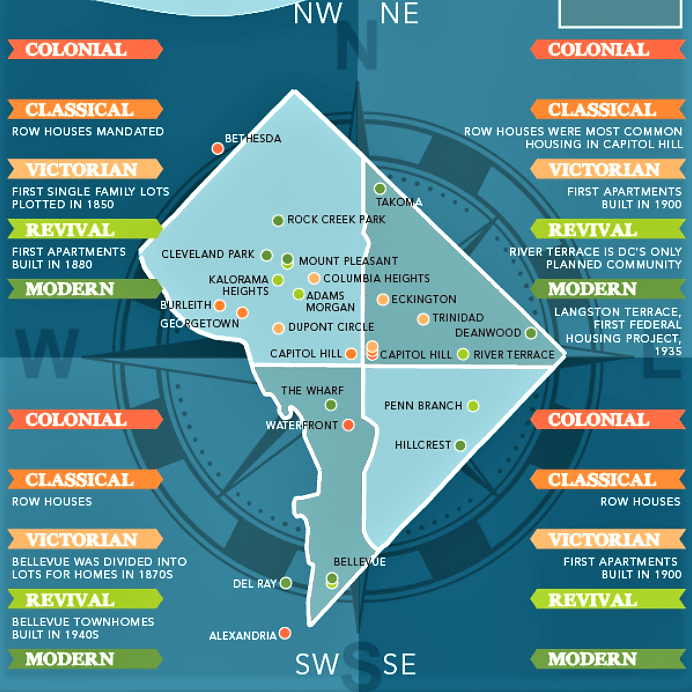
From its rise from the ashes after the War of 1812 to its renaissance of African American culture, Washington DC has a unique history all its own, often encapsulated by its many museums and monuments. With so much emphasis placed on the public and commercial areas of the District, it can be easy to miss the architectural history of the residential neighborhoods around DC. The infographic below walks you through each style of building from the founding of the city through modern times and where you can see examples of each by neighborhood.
Scroll below the infographic to find out what each symbol is and how to use this so you can identify each style while you pass by.
<a href=”https://www.washingtoncapitalpartners.com/hard-money-lending/history-architecture-washington-dc”> <img title=”How hard money loans work” src=”https://www.wcp.loans/wp-content/uploads/2019/02/guide-to-architecture-of-washington-dc.jpg” alt=”washington dc architecture” width=”600″ height=”1393″ /></img></a>
Key
- Each era is color coded.
- The dates show when this style was popular for construction.
- The neighborhoods indicate where many of these homes still exist.
Now that you know how to detect what is on the map, here are some fun facts about things you can still see as you tour the city by quadrant.
NE
- Row houses were the most common housing in Capitol Hill
- A large group of Stick row homes can be seen at 500 block Constitution Ave NE
- Kit houses purchased from Sears were very popular in the far north neighborhoods, many still stand in Takoma.
- A kit house was a home purchased in pieces from a catalog to be constructed by the homeowner on site.
NW
- Georgetown houses prior to 1791 are mostly gone and none exist in the city’s core
- Federal style started in Capitol Hill and flowed towards Georgetown as new row houses were constructed.
- The first plots for single-family homes were laid north of Florida Ave. in 1850 – before that homes were either estates on large lots or row houses.
- The first apartments in Washington DC were the French Flats in 1880, at 1418 I Street.
SE
- Apartment buildings went from NW to SE quadrants with the first apartment buildings built in 1900 in SE quadrant.
- Known for family style homes outside of “city living”.
SW
- This quadrant was mostly the Navy Shipyard and didn’t contain much residential housing until WW II when townhouses we built in Bellevue to house military families working at Bolling Air Force Base.
- 1985 Danbury Station was built out as part of Bellebue
- Currently under full redevelopment with releases in phases, now called The Wharf.