DC Condo Conversions 101
Washington, DC is a hotbed for real estate investing and has been for some time. But perhaps the biggest limiting factor of investing in the District is the lack of available land. There’s only so much space that you can develop, so what do you do when you run out of space to build out? You build up. Condo conversions provide a solution to the land problem and are notoriously profitable (when done right) for the flippers that complete them. The basic idea behind a condo conversion is to acquire an existing single-unit property such as a DC row house, and either A) split the existing structure into multiple units or B) add additional floors to the property in order to maximize the number of units the property can sustain. This trend is becoming more and more prevalent in DC, and it’s about time someone offered some useful resources for DC condo conversions (please hold your applause until the end).
Why would an investor choose a condo conversion over a traditional flip?
Generally, condo conversions are significantly more construction-intensive than traditional flips, not to mention the necessary zoning and foundation requirements which we will get into later. So why take on the greater risk? Because with greater risk comes greater reward. The profits from condo conversions tend to be much larger than a traditional flip, and therefore a popular strategy with savvy DC rehabbers. Let’s break the numbers down in a side-by-side comparison.
Example Deal:
Subject Property: Currently a 3 Bedroom, 1.5 Bathroom row house with off-street parking in NE Washington, DC
Purchase Price: $600,000
Traditional Flip: (1 Unit- 4 Bedroom, 3 Bathroom)
Construction Costs: $170,000
Total Transfer and Settlement costs: $20,000
Agent Commission: $27,000
ARV (After-Repair Value): $900,000
Potential Profit: $83,000
Condo Conversion: (2 Units- each 2 Bedroom, 2 Bathroom)
Construction Costs: $400,000
Total Transfer & Settlement costs: $25,000
Agent Commission: $39,000
ARV Unit 1: $550,000 ARV Unit 2: $750,000
Potential Profit: $236,000
Now that’s a big spread! In this scenario, a condo conversion can give you a return nearly three times higher than a traditional flip. Keep in mind that permitting and construction are a lot more complicated and time-consuming for condo conversions. So, you have to ask yourself a couple of questions before taking on a condo conversion:
- Am I ready and capable of taking on a project of this scope?
- Are my current contractors capable of this type of project?
- Am I ready to commit to a project that can take 12-24 months to complete?
If you answered yes to these questions, then congrats, you may be ready to join the ranks of the condo conversion pros. So, let’s dive into the basics of DC condo conversions.
How to choose a property for a condo conversion
Just like a traditional flip, you have to take a look at several factors when considering a DC property with condo conversion potential.
- Does the neighborhood have a demand for multifamily properties?
- Are there quality comps?
- If you plan to add floors, does the foundation require underpinning?
- Are there zoning restrictions like RA-1 Zoning or an 800 Series Lot that you need to worry about? If so, requesting a variance can take months and typically doesn’t have a high chance of being granted.
How to choose a contractor for a condo conversion
You may have a fantastic go-to contractor that you use for your single-family flips, but they may not have the experience necessary to complete a project of this scope. You might need to save your go-to crew for single-family properties and go with an experienced condo conversion contractor.
In addition to your contractor crew, you may want to hire a permit expediter. The number of documents and permits required just to get started on your conversion can be daunting, so hiring a professional to handle the paperwork and stay on top of the various DC Offices will save you time and your sanity.
How long do condo conversions take to complete?
Condo conversions take much longer than traditional rehabs. Many DC investors are in and out of a single-family flip in around 4-6 months, but condo conversions could take anywhere from 12-24 months between permitting and construction. Be sure to set a very realistic construction timeline so that you can sell during a hot market (such as the
Spring Selling Season).
If you plan on securing the property using a lender, then be sure that you know what carrying costs you will be paying throughout the term of your loan. The easiest way to know that number?
Give us a shout! We’ll break down the whole deal, including your projected carrying costs, so that you can confidently make a decision on financing your next project.
So, are you ready to take on a DC condo conversion?
How Tech Businesses Are Fueling Multifamily Demand

We live in a world full of technology that drives change in nearly every industry you can think of. Innovation in one sector often creates a ripple effect that influences other industries. We can see this in real estate, as both private and public sector employment trends can cause fluctuations in the market (after all, hiring booms = housing booms). One major trend that we have recently seen in the DC metro area is the increased demand for multifamily properties as a result of modern, technology-driven trends in hiring.
Let’s use cybersecurity as an example of how the changes in business tech are influencing real estate. Tech industries like cybersecurity provide a massive number of jobs around the District. Heavy hitting companies like General Dynamics and Boeing paired with the plethora of government agencies such as the NSA and US Cyber Command depend on a large (and growing) workforce of cyber professionals. In fact, DC currently holds the most concentrated demand for cybersecurity professionals in the country. And on a broader scope,
according to CapRelo, there are roughly 40,000 tech jobs currently available throughout the DMV. That’s a whole lot of people who need housing.
On top of the influx of tech professionals, businesses are changing the way they approach hiring and conducting their day-to-day operations. Working from home (at least part of the workweek) has become increasingly popular in tech-based industries since much of the work is just as effective when done remotely. WCP may not be a “tech-based” business by definition, but our whole IT Team works remotely from Tulsa, Oklahoma! Having personnel work from home also reduces operational costs for businesses and is associated with a boost in employee morale. And when well-paid tech pros work from home, they need modern amenities and tech-savvy features. This demographic is simply not going to settle for outdated housing. Would you want to spend your entire day in a sub-par living space? Probably not.
With a lack of undeveloped space in DC and its closest suburbs, multifamily properties are becoming more and more popular for developers (why build out when you can build up?). The rise of the tech demographic presents the perfect opportunity to rehab existing properties to modern, tech-savvy units. This demographic tends to prefer features and location over square footage, so investing in a multifamily property, or even a condo conversion opportunity can result in a bigger payday for you as an investor.
The trend of condo conversions has become greatly popular among DC-area investors as the demand for multifamily grows in neighborhoods that primarily offer single-unit properties. Purchasing a single-unit property and either dividing the existing space into multiple units or building additional space (typically by adding floors) is a great way for experienced rehabbers to see bigger paydays after construction is complete. (
Check out our blog on DC condo conversions!)
So with an influx of tech professionals seeking updated multifamily properties, it’s a great opportunity for rehabbers to switch gears from the typical single-family flip.
‘Tis The Season… To Buy Your Next Flip!

As we approach the holidays, you may be shifting your focus from investing to upcoming events, shopping, and time with family. And you know what? There’s nothing wrong with that. But there’s a huge opportunity to acquire your next property now and have it completed in time for the spring selling season.
“Buy low, sell high.” It’s the fundamental idea behind investing – and acquiring a property right now allows you to do exactly that. As the market slows heading into the holidays, demand drops and prices follow suit. If you can find a motivated seller at the bottom of the annual market cycle, you’ve struck gold. The key is to pick a property that has an ideal rehab timeframe – anywhere from 3-6 months. So, pick a winner and capitalize on the low prices of the impending winter market.

Here’s the best part – your rehab timeline will place your completed property right in the middle of the spring selling season. And as a seller, you’ll get to enjoy all of the benefits of the spring market.
Higher Sales Prices
Spring means a spike in demand, and in turn, you’re looking at less time on market, a higher probability of a bidding war between buyers, and you can generally afford to be picky when it comes to the offers on your property.
Higher Valuations
As sales prices soar and other properties hit the market, you’ll find an influx of high-value comps. With plenty of pricy properties to compare to, you’re far more likely to hear those magic words – “Your appraisal came in high!”
Homes Simply Look Better
With longer days and plenty of sunlight, your property is going to show at its finest. Spring weather means that any landscaping on your property (or anywhere in the neighborhood) will be colorful and healthy. The extra sunlight means that you can show off the natural light on the interior, and desirable features on the exterior, even during evening showings.
So you’ve bought at a low price, you rehabbed during the undesirable winter market, and you sold at the peak of spring selling season. Sounds like you just made some money.
This year, give yourself the gift of a smart investment – buy now, sell in the spring.
8 REI Resources for the Thanksgiving Holiday

Recommended Books
Double Double
This is an awesome book for someone who wants to take their investing company and start treating it like a true business. The focus here is on doubling your company’s profits in 2 years through fast growth and best practices. It touches on a lot of different topics like vision, technology, discipline, and balance. The main theme of the book is focus and applying it to everything your company does. I’d say Double Double is one of the best business management books out there.
Living with a Seal
It’s a great read about living and being trained by a US Navy Seal changed Jessie Itzler’s life. Jessie is a former rapper turned successful entrepreneur who will try anything. He offers a US Navy SEAL to live with him for a month and train him to be better at all aspects of his life , not just physical fitness. There’s a ton of funny moments as well as significant takeaways for every aspect of your life and pushing yourself to the absolute limit.
Tax-Free Wealth: How to Build Massive Wealth by Permanently Lowering Taxes
Let’s be honest, talking about taxes rarely excites anyone. Read by a few of us here at WCP, Tax-Free Wealth provides ideas on how to make more money and pay less taxes. While the tips and secrets aren’t for everyone, they’re perfect for investors with an entrepreneurial spirit.
Entrusted: Building A Legacy That Lasts
This book is a refreshing departure from the typical approach to wealth and estate planning. Many books focus on the strategies for estate planning that pass the most amount of wealth possible to the beneficiaries, but hardly any focus on how to prepare the beneficiaries to receive the wealth. Through interesting stories of those before us who have successfully passed down their legacy, this book is surprisingly engaging for such a traditionally dry topic.
Blogs
DCCurbed
This is my go-to place for keeping up with local developments and neighborhood news. It’s a great resource for investors to keep an eye on the up and coming areas. Right now you can read about plans for the
first bookstore to open in Anacostia in over 2 decades and why
DC ranked #3 for the most satisfied renters in the nation.
The BiggerPockets Blog
You won’t find me at any real estate investing meetups over the break but that doesn’t mean I can’t use this time to meet other investors. With the highest concentration of REI investors anywhere online, BiggerPockets.com forum it’s a great place to ask questions, share strategies, and connect with others.
We love their blog not only for their investing content but their informative articles on marketing, entrepreneurship, and personal finance. And they’re not afraid to tell us like it is! Read they’re most recent article,
Fix and Flippers, Don’t Let a Hot Market Make You Lazy.
Youtube
Are you more of a visual learner? With over 28,000 followers Clayton Morris puts out weekly videos about creating a passive income, acquiring rentals, and more. Watch his most recent video,
8 Tax Deductions for Real Estate Investors 2018.
Driving for Dollars
While everyone’s inside partaking in a post-Thanksgiving meal nap, head out for a drive! If you don’t already do it, Driving for Dollars is a fun way to get familiar with an area, make connections with locals, and most importantly scope out some investment properties.
Read our complete breakdown including: what to prep, what to look for, and how to follow up when Driving for Dollars.
How To Choose a Title Company
 Having a good title company on your investing dream team can save you time and money and even bring in new leads. But when you’re just starting out you might not have the bandwidth within your network to know who’s top-notch and who to stay clear of. So with a substantial selection of title companies in the DC Metropolitan area, how do you begin your search?
Tap into your local REI Meetup
A quick search on Meetup.com will generate tons of free real estate investing networking events. There you’ll get the chance to meet other investors and ask them who they trust for their title needs.
Ask the best using the MLS
If you have access to the MLS, do a search for the top 10 realtors in your area that are doing the most real estate transactions. Get their contact information and find out who their preferred title company is and why.
After you get some recommendations, contact the title companies directly with a list of requirements. Here are some suggested questions to help you with your vetting:
Are they investor-friendly?
When you call the title company, find out who their clientele is. Do they handle investor deals or just do traditional closings? Find out how experienced they are working with investors and with what types of transactions.
Are they investor-friendly?
When you call the title company, find out who their clientele is. Do they handle investor deals or just do traditional closings? Find out how experienced they are working with investors and with what types of transactions.
Do they understand creative real estate?
Apart from being investor-friendly, your title company needs to be fluent in the different types of real estate transactions. If you’re starting up a wholesaling venture, don’t assume that all investor-friendly title companies allow back to back closings. And if they do, ask them whether they require you to disclose all information to all parties which could create problems.
How accessible are they?
As a hard money lender, we require all borrowers to have title insurance. And for every loan, our Loan Processors work directly with the borrower and the borrower’s chosen title company to collect documents. One of the biggest issues that sets back a project’s timeline are slow responses from the title agent, especially when there are issues. A good title agent will understand that you have a deadline and work with all parties to get your deal closed on schedule.
What can they do for you?
Much of a title agent’s time is spent researching the history of properties – information that could be really valuable in the hands of an investor. It doesn’t hurt to ask if they have any information that can offer you; we’ve heard of title companies sharing valuable lists of information found during property inspections with investors.
They can also be a useful resource in growing your network. Title companies work closely with investors, agents, and brokers, so they know who’s relevant and easy to work with.
Focus on Quality
During your initial conversation with the companies you are considering, don’t make decisions solely based on price. Instead, place heavy weight on the recommendations you receive from the people in your network when comparing fees and services. Once you’ve narrowed your search, you don’t have to choose a single company to work with, we recommend having at least 2 reputable title companies on-hand to handle your real estate transactions.
Should You Start Flipping with Friends and Family?

At Washington Capital Partners, it’s very common for us to see couples and friends partner up on deals. We’ve had many borrowers successfully partner with a spouse or sibling and achieve incredible results. Sometimes it’s a wonderful thing to see two individuals combine their skill sets and create a solid flipping business. However, sometimes things can go wrong and personal relationships can suffer over a failed house flipping deal.
Individuals make the decision to partner up for numerous reasons. People who are just getting started may seek to partner up with someone who knows the field. Whether you lack the time, knowledge, or money, there’s always someone out there that will complement the things you lack. Reaching out to friends and family is a great way to start your search for a partner.
When considering a friend or family member as a partner, evaluate your relationship and decide how close you want to be with the person. Determine what skills that person will be bringing to the partnership. Will your potential partner support you financially or bring enthusiasm, passion, and knowledge to the business? And will you be able to work with them through good and bad times during your projects? When structuring a good, fair partnership you need to go through the same processes that you would with a new partner that you just met through a friend or a Meetup.
After you choose your friend or family member to be your partner, begin with a written legal agreement that outlines everyone’s roles and expectations Keeping everything well documented is important so that you have a paper trail that either partners can refer to when questions are raised.
What should your document include?
- Partners’ Roles and Responsibilities
- How much time is each person dedicating?
- What are the consequences if a partner doesn’t pull their weight?
- Who has the final say on choosing a property, construction plan, budget, hiring contractors, etc.
- Professional Services
- If your sibling is going to be your contractor, create a real budget.
- How will he be paid for his contracting services?
- Repayment Plans
- If you borrow money from a family member do you have a repayment plan in case things go sideways?
- How are you splitting the profits?
- Partnership Termination
- How will your partnership end and how will it be managed?
- What happens when one partner wants out of a rental property?
After you sign off on your written agreement, have an attorney review it to make sure everything is legally binding and fully executed. Each partner should understand that the purpose of the document is for everyone to have a formal solid infrastructure for the project and not to encourage legal action in the future.
When partnering with friends/family be realistic with expectations. Whether your new partner is a veteran investor or a total newcomer, don’t exaggerate the numbers to get them to do a deal with you. Instead, make them feel comfortable by showing your confidence in the deal. The first deal is all about proving to your partner that you know what you’re doing. If all goes well, they’re going to want to do more deals with and your partnership will be stronger and more effective.
Recruiting For Your Investing Business – Interviewing

With the Planning Stage (
see Part 1) and the Recruiting Stage (
see Part 2) completed, it’s time to move into the third stage of the hiring process.
Interviewing Stage
Let’s talk interviewing. Most phone interviews are pretty straightforward – you come up with a list of questions, take notes on the candidate’s answers, and review after the call. The full-length, in-person interview is where things get tricky. Not because the process is necessarily difficult, but because many people don’t conduct interviews often (particularly if you work for a small business). Here are some best practices when conducting interviews so that you get the most out of them, and represent yourself as a true hiring pro (even if you aren’t one yet).
- Consider having candidates send you a personality profile before you schedule an in-person interview, or even before a phone interview. We have always liked having some insight into a candidate’s personality and the way they think/act before moving forward. Plus, some tests like our personal favorite, the DISC Assessment, gather a ton of information about a candidate that would be difficult to acquire without turning your interview into a psychological evaluation (which would probably creep out some qualified candidates).
- Study each candidate’s resume, identify talking points (either positive or negative) and be sure to ask all the questions that you need in order to get a solid understanding of the candidate and how they would fit into your company. If you see gaps in job history, multiple short-term (less than 2 years) positions, or just flat-out odd occurrences, make a note of it and ask the candidate to provide you with the reasoning. It’s not harsh, it’s just a standard practice to understand their history.
- Be extremely clear about the position, the company, and the industry. It doesn’t behoove you or the candidate if there is ambiguity about the job. If you aren’t on the same page during the hiring process, there’s a higher chance of that candidate quitting or being fired soon thereafter, which just wastes everyone’s time and money.
- Don’t doubt your instincts. There is much to be said about intuition, so if you have a bad feeling about a candidate, it might be best to just pass on them. From a psychological perspective, you could be picking up on a subtle cue from the individual that suggests a poor aspect of their personality that would result in a conflict or deficiency in their potential role. Your mind may not be able to specifically identify what it is – but your brain may have chalked it up to “instincts,” so don’t just write it off.
Recruiting and hiring can be a daunting task for those who are new to the process. Often times it takes trial and error to develop an effective system, but if you follow our tips you will have a far better chance of finding exceptional team members.
Recruiting For Your Investing Business – Searching

So with the Planning Stage of the process complete (
see Part 1), it’s time to start recruiting candidates and vetting them.
Searching Stage
Start with employee referrals. If you have an existing team, utilize their contacts and network to find additional candidates. If you have hired a solid bunch already, shouldn’t you trust their judgment to refer quality candidates? These are some of the best leads because your team already knows them, and they are 100% free to find.
What is the budget for your recruiting efforts?
- If you need to hire ASAP, you will likely need to spend more money on recruiting efforts (boosting job listings, using multiple platforms, etc.). Come up with a number based on your needs, and how many candidates you think you will need in order to find “the one.”
What recruiting platforms will be most effective in finding your desired candidate?
- General job listing sites like Indeed, Monster, LinkedIn, CareerBuilder, and Glassdoor are excellent options for seeking out a candidate. Don’t forget about niche sites that focus on recruiting within specific industries and careers.
How do you want to present yourself to candidates?
- Be honest and straightforward. Ask yourself, “If an invisible journalist were to write about your day-to-day office culture, what would they say? What are the best parts? What are the challenges?” How can you expect honesty from a candidate if you are not honest with your recruiting practices?
What is your company culture?
- Make a company culture video and USE IT – embed it on your site, link it in your posts, set it as your Facebook Cover Video, etc. People want to see the team behind a company, so don’t be afraid to give them a look “behind the scenes.”
- What is your history/future in the industry?
- How will the candidate fit into your team?
- Know that it’s not uncommon that the most experienced or well-qualified candidate doesn’t get hired because they would not fit in with the company culture.
Create a Stand-Out Job Post
- Your job post is a marketing piece, so make sure you treat it like one! You’ll need to know what potential candidates are looking for and what they are steering clear of, and use these as talking points. Stand out from every other monotonous job post by utilizing images and videos both on your own website and third-party job sites.
- If you’re seeking a candidate with graphic design skills, do you think they want to read through hundreds of lines of Times New Roman? Definitively not. They want to work for a company that recognizes the importance of using imagery in ALL aspects of marketing, including marketing for new hires.
- Try creating something truly captivating on your website’s Careers page, or link media to your job posting. You have to ask, “what’s going to wow your candidates into wanting to work for you instead of Joe Schmo with his bulleted list of available positions?”
- Optimize for mobile! If your website isn’t already optimized for mobile compatibility, then let this be your wakeup call. Mobile browsing is now the dominant browsing device – it’s as simple as that.
Recruiting For Your Investing Business – Planning

One of the overall goals for real estate investors is to expand. But with the expansion of your investing business comes additional duties and time commitments, meaning your one-person operation will eventually need to grow into a full team. As a rapidly growing company ourselves, we’d like to bring you some of the best practices and tips that we have learned about recruiting and hiring a truly exceptional team. Some tips are geared more toward established companies, but that doesn’t mean that fledgling businesses can’t modify and utilize them as well.
Planning Stage
The process starts with some very important questions that you need to ask:
- Why are you considering hiring?
- Often, it’s because you need more team members to grow and prosper. It’s best to hire with the expectation of growth, not once you have already grown. If your team’s already overwhelmed it will be much harder to train a new employee and give them the foundation they need to thrive.
- What does that role require/responsibilities?
- Small businesses often need to hire an individual who can wear multiple hats, for more established companies you may want a specialist.
- Are you looking for an established expert or someone whose intelligence and attitude suggests that they will learn quickly?
- 10/10 times experience means higher salary than potential. Start-ups, small businesses, and other companies experiencing dynamic growth and expansion can often benefit from choosing candidates with serious potential over a highly experienced Sometimes those with a career of experience feel as though their way is the only way, and won’t conform as well to your environment.
- What are your expectations for their performance/ROI?
- Take a look at your best performing/most effective employee within the same (or similar position). What makes them so awesome? What are their habits and practices? Use this info to determine what your new hire should strive for/achieve.
- What is the onboarding/timeline for their role to become 100% productive?
- What does the role look like further down the line/promotions/additional duties?
- What’s the average salary/benefits/compensation structure in your area?
- What type of person do you want in that role?
- Say what you will about Millennials, but they are probably the most important group for companies to focus on during the hiring process. According to Pew Research, Millennials make up the largest percentage of the US workforce and will continue to increase. Millennials overwhelmingly are focused on growth and opportunity, making them great candidates for smaller businesses in dynamic industries (especially real estate). To woo ideal Millennial candidates, businesses will need to focus on tech-savvy, modern work environments. This means cutting-edge connectivity (aka “the internet of things”), a workplace that resembles anything but a cubicle, and proximity to amenities like food and exercise. Millennials want to enjoy their work, not become a member of the rat-race that so many real estate investors have sought to escape themselves.
How To Save Money On Rehab Materials
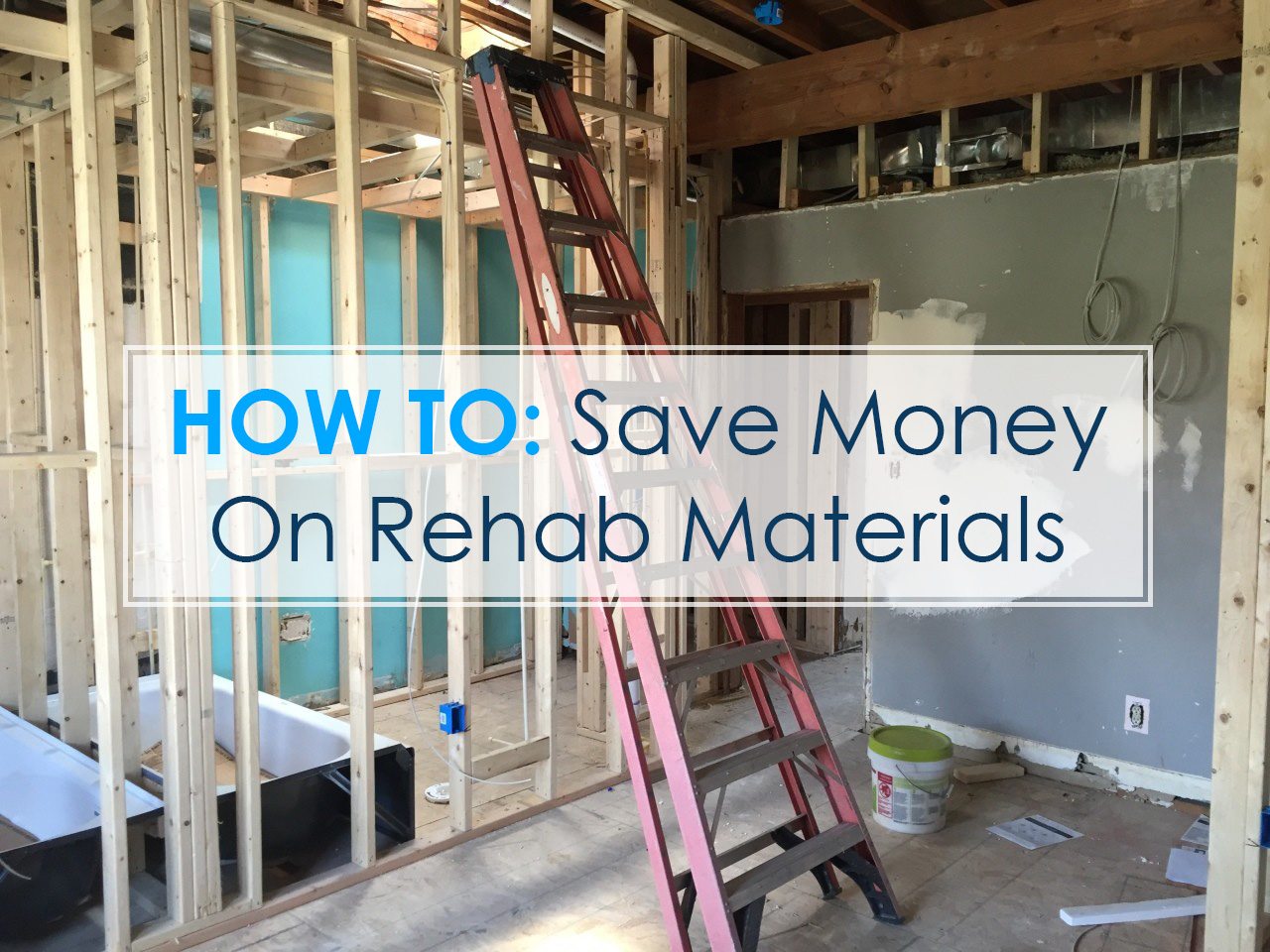
Whether you are looking to rehab properties for sale or for rent, it’s crucial to not blow your construction budget. To help you stay on budget and get the most bang for your buck, here are some tips for saving big on construction materials.
Big-Box Home Improvement Stores
Find a reputable big-box store that stocks attractive yet affordable materials from drywall and lumber to kitchen appliances and paints. Home Depot typically has both the variety and prices to keep your rehab under budget and looking sharp. One of the great benefits of Home Depot is their off-the-shelf products like kitchen cabinets and bathroom vanities. These cabinets will cost a lot less than higher-end alternatives but are still stylish and functional. When you are planning your rehab, try to stick to “stock sizes” (universal sizes that manufacturers mass produce) for anything that can be purchased at big-box stores. Custom cabinets and doors are often very costly, so plan your rehab with stock sizes in mind. Another option to consider from a big-box store is a store credit card. Depending on what deals the stores are offering, you may be able to pick up a store card that offers cash-back and zero-interest perks on every purchase. And if you happen to be a licensed contractor, then stores like Home Depot typically have
discounts and special offers reserved for the pros. Lastly – always be on the lookout for seasonal and holiday sales.
Warehouse Stores
An underrated source for inexpensive materials is your local warehouse store (like Costco). Costco has excellent deals on materials like
wall tile, light fixtures, and flooring. The flooring prices are particularly competitive, with hardwood laminate typically running around $25 – $40 per box of 9 planks (over 22 square feet) – the catch is that availability isn’t guaranteed. When the materials are in stock, you should consider loading up or you’ll find yourself waiting around for their next shipment. Costco has another benefit for investors who own rental properties or plan on doing multiple flips per year – it’s core concept of buying in bulk. Investors can stockpile materials that they know they will continue to use in future properties, or for on-hand replacement materials in rentals.
Building Supplies Auctions
Auctions can produce some excellent deals on materials from surplus drywall or trim to kitchen appliances. These auctions are often put on by
auctioneering companies that specialize in building materials. The key here is to do your research before you get to the auction. Know what you want to buy and have a predetermined maximum price that you will pay for each item. Stick to your budget and don’t get caught up in a bidding war!
Partnering Up with Vendors
Wherever you purchase your rehab materials, it’s always a good idea to ask if you can establish some sort of partnership for future projects. After your first significant purchase, most stores would be happy to offer you better deals for future projects in order to keep you as a loyal, repeat customer.