The spring market is delivering exactly what disciplined investors have been waiting for. Here’s what happened in April and what it means for your next deal.
If you’ve been watching the DMV market through the first half of spring, the picture is becoming clearer: this is a market that rewards preparation over patience. Rates are staying stubbornly rangebound, inventory is continuing to build, and buyers — both retail and investor — are becoming more selective. For the investors who show up with capital and a clear acquisition strategy, there are real deals to be had.
Let’s break down what happened in April and where the opportunities are heading into summer.
The 30-year fixed rate has been hovering between 6.30% and 6.57% through most of May, settling at 6.36% as of May 14 according to Freddie Mac — down slightly from 6.37% the prior week, and meaningfully lower than the 6.81% recorded a year ago.
The Fed has held its benchmark rate steady, and the market is pricing in only modest cuts for the remainder of 2026. What that means practically: rates are not coming to the rescue anytime soon, and buyers who were waiting for a dip below 6% are still on the sidelines.
For investors, this is actually a feature, not a bug.
Rate-sensitive retail buyers are staying cautious. That creates more room at the table on properties that need work — exactly where your margin lives. The math hasn’t gotten easier, but it has gotten more predictable. Underwrite to today’s numbers, build in your contingency, and stop waiting for a rate environment that may not arrive until 2027.
The two-speed dynamic we’ve been tracking for months is becoming more pronounced heading into summer.
DC proper continues to soften. Bright MLS projects a 1% decline in median sale prices for the Washington metro — the only Mid-Atlantic market expected to see a price dip — driven in part by ongoing uncertainty around federal workforce levels and a surge in active listings. Homes in DC are spending 45 to 70 days on market on average, up sharply from the 25 to 30 days seen during the pandemic frenzy.
Zoom out to the broader region, and it’s a different story:
What this means for investors:
The softness in DC proper is creating acquisition opportunities, while the strength in close-in Northern Virginia means your exit pricing in Arlington and Alexandria submarkets remains solid. The spread between purchase price and ARV is widening in the right direction.
Buyers across the region are using inspections aggressively — requesting credits late in contracts, negotiating on aged listings, and walking away from anything overpriced or under-renovated. As a buyer, that’s leverage. Use it.
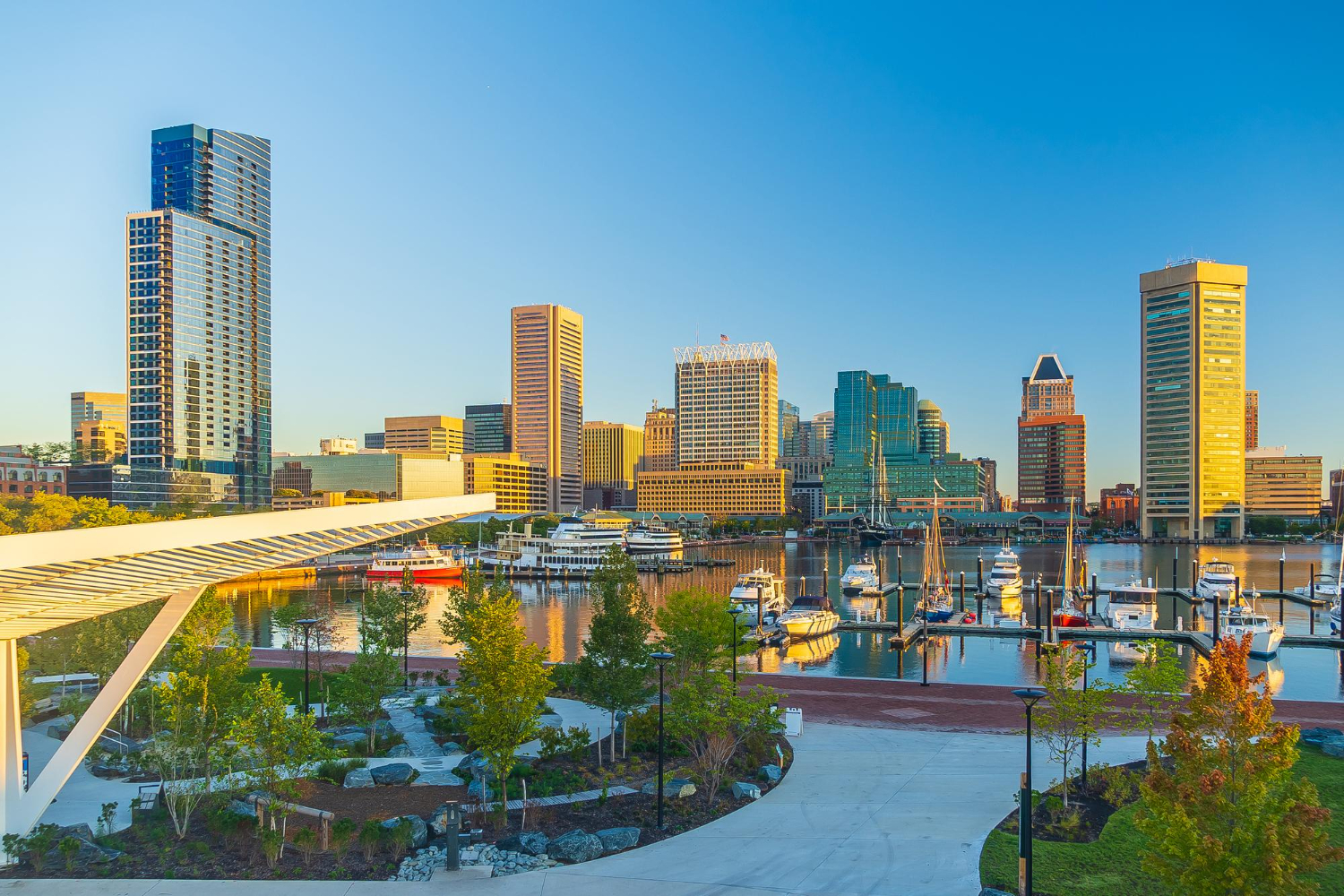
Baltimore deserves a separate callout this month because Q1 2026 was the most active quarter for investors the city has seen in 18 months.
A few data points that tell the story:
The rental side is equally compelling. Average rents range from $928 for studios to $1,292 for two-bedrooms, keeping tenant demand broad across income levels. With apartment construction slowing sharply — only about 2,300 units currently under construction — vacancy is expected to compress as the year progresses.
For investors, Baltimore continues to offer some of the strongest entry pricing in the Mid-Atlantic. Properties are selling at roughly 99.7% of asking price and spending a median of 101 days on market — demand is real, but not frenzied. That’s the ideal acquisition environment.
Tariff-driven material cost increases haven’t gone away. Steel, lumber, cabinets, and appliances remain elevated, and the smart move remains building a 15-20% contingency into every renovation budget from day one.
The investors who are winning right now are the ones who locked in material pricing early, got fixed quotes on the high-ticket line items before closing, and aren’t running lean on contingency. Budget for the market you’re in, not the one you wish you were in.
The deal flow we’re seeing right now breaks down into two clear categories:
Cosmetic flips targeting strong move-in-ready demand, particularly in the $350K–$550K range in Baltimore and Prince George’s County corridors where retail buyers want turnkey but can’t find it.
Larger renovations and redevelopments at higher price points, where investors are manufacturing significant equity by buying dated or distressed assets in well-located submarkets and fully repositioning them.
Mid-Atlantic gross flip returns continue to hold in the mid-20% range, driven primarily by acquisition discounts on renovation-heavy properties rather than rising resale prices. That’s a sustainable driver — it means margins are anchored to buying discipline, not market speculation.
Bottom line: the DMV and Baltimore markets are more workable right now than they’ve been in years. Rates are rangebound, inventory is building, and buyers are negotiating again. For investors who buy right, budget conservatively, and execute efficiently, this is the setup you’ve been waiting for.
Ready to fund your next deal? Call us at (571) 749-2999 or visit wcp.loans.