Managing Fix & Flips During a Pandemic
 As the coronavirus pandemic continues to ravage the economy, many real estate investors are finding creative ways to maintain business as usual and reach potential buyers. We interviewed one of our experienced clients in order to hear his perspective on managing through the current crisis.
Staying Proactive with Your Fix & Flip Projects
“The ability to adapt is critical at a time like this,” said Attila Shalorus, an independent real estate investor and project manager local to the Washington, D.C. metro area. “I’m fortunate that the demand for real estate in the DMV remains high, but the challenges my team and I are facing due to this pandemic are still very real.”
When it comes to fix and flip properties, Shalorus advises investors to have a plan in place for potential roadblocks such as construction delays, slowed permitting and inspections, and the inability to have in-person showings. “While some of these challenges are inevitable, there are tools that have completely changed the way we operate.”
Shalorus suggests transitioning to digital services, such as virtual open houses and video conferencing while taking precautions during any interaction that has to happen in person. In addition, Shalorus recommends utilizing technology such as a Matterport camera, which creates 3D videos, allowing potential buyers as close to an in-person experience as possible.
“Online engagement is vital during these times,” said Shalorus. “Investing in professional staging and photography services is another great way to give your property an edge if the budget allows.”
Data Shows that Market Remains Stable
On a national scale, the real estate business has stayed fairly stable despite the changing economy, according to the National Association of Realtors. A survey done by the association showed that approximately 74 percent of Realtors reported their clients aren’t reducing listing prices to attract buyers. This data suggests that sellers are remaining calm and continuing forward despite the pandemic.
Even before the pandemic hit, there was a high demand for homes but a shortage of inventory, Shalorus said. Shalorus is optimistic that the real estate market will bounce back to pre-pandemic conditions following a significant flattening of the curve, “It’s a strong market, and investors have been very effective in working safely and virtually to meet buyer’s needs.”
For more digital tools to help your investing business through the COVID-19 crisis, check out
our previous blog post.
Digital Tools For Sellers While Buyers Are Self-Quarantining

If you are planning on or currently listing your home for sale in the next several months, you should already know that you will need to play by a different, more self-quarantine-centered, set of rules in order to sell for the price you want. One of the best ways to promote your property even before COVID-19 is to utilize digital tools to create interest and get potential buyers to enter your sales funnel. So, to help you we’re going to review all of the digital tools and promotion methods that you can use to sell your house while buyers are less likely or not able to view the property in-person.
Staging is More Important Now Than Ever
If you thought buyers were fickle before, they will be 10 times as skeptical of a property now. To combat buyers’ lowered motivation to see a property in person, you need to have incredible staging that puts your property in its best light. So, here are some staging tips to follow:
- Now is not the time to go niche, cast a wide net with universally popular furniture and decor
- Go with a very “clean” look – now more than ever folks are concerned with hygiene, so you want your property to showcase a concerted effort toward spotlessness and immaculately neat.
- Focus on natural light – Using minimal window coverings and strategic mirrors, now is the time to lighten the place up, as dim areas will draw an even more negative connotation now (i.e. doom and gloom)
Use an Experienced Professional Photographer
People don’t want to leave their home (or in some locations, they couldn’t if they wanted to) right now – so now is not the time to choose the cheap route on photos. You need photos that are well-thought-out and executed, and you will simply not get that from an amateur with a DSLR. Spend the money on a true, experienced professional and talk to them about the “ultra clean” look you are going for. Any decent photographer will know that they need to time the shoot in accordance with the weather and time of day to give you property maximum natural light and highlight its cleanliness. Maybe even place hand sanitizer throughout the property (if you can get your hands on them) to hammer home to feeling that people will be moving into a sterile environment.
In addition to a top-notch set of pictures, you’re going to need more to satisfy buyers right now – have the photographer do a video walkthrough of the property as well. This gives you a huge promotional asset for emails, social media, YouTube, etc. and give potential buyers even more confidence that they truly understand the property’s flow and space.
If you can afford it, having a Matterport 3-D tour is an excellent idea right now. This gives buyers’ the ability to conduct their own virtual walkthrough of the property and spend more time looking at things that interest them more, and less time looking at areas that are not a big-ticket item for them. If it’s within the budget, consider having this done before and after you stage the property, as some people may want to use this tool when planning out where they can put their own furniture.
Agents Looking to Promote Their Listings Digitally
Right now, real estate agents will need to go the extra mile for interested buyers if they want their listing to sell. One simple way is to offer client-led video walkthroughs of the property (this is especially important when the property doesn’t already have a Matterport 3-D tour available). All you have to do is start a video call with them using a smartphone or a tablet, and walk through the property with the camera pointed forward as the client instructs you which room to enter, where to look, and how long to spend looking at details. This way the client can feel like they are getting a virtual property walkthrough on their own terms – not a video that may not spend time on the features that are important to them.
Promoting a property for sale may be tough right now due to self-quarantining guidelines, but property owners, agents, and investors can utilize a variety of digital tools to prevent their property from sitting stagnant on market. While some areas currently prohibit potential buyers from even visiting a property in person after you have used all of the digital tools mentioned above, these will at least keep the ball rolling and build out your list of “hot” buyers who will be first in the queue once you can hold an in-person walkthrough or open house again. The key is staying proactive now to better the chances of your property selling as soon as possible.
COVID-19: A Reminder of the Importance of Owning Rental Properties
The COVID-19 Outbreak brought on much more than a nationwide (and global) health threat – it has created a wildly volatile market in the US, especially for real estate. While stocks are typically one of the riskiest investments since there is no material backing to cover losses, real estate is often considered a solid alternative, as it is concrete and will hold at least some value even in horrible economic periods. But what COVID-19 has taught many real estate investors is that a sudden, volatile market can jeopardize the profitability of a completed fix and flip that’s hitting the market. This is exactly why so many investors balance their real estate portfolios between both short-term fix and flip properties and long-term rental properties.
How do fix and flip projects differ from rental properties?
For those who are new to real estate investing, we will quickly review the big differences between the two types of investment properties.
Fix and Flip Investments
- Refers to the purchase, renovation, and resale of a property for profit
- Short-term investment, typically 4-12 months from purchase to resale
- Considered a relatively “high risk,” as market conditions could quickly change during the project, impacting the originally predicted resale value
Rental Property Investments
- Refers to the purchase of a property that will be held by the owner and rented out to a tenant
- Long-term investment, typically purchased using cash, or a 15-30 year loan from a bank or hard money lender
- Considered a relatively “low risk,” as the owner will hold the property over a long period of time, meaning short-term market fluctuations do not have a significant impact, and tenants are generally easier to secure than buyers
How do rental properties hedge against market volatility?
The simple answer is featured above, stating that the long-term nature of rental property investing means that periods of short-term market volatility have much less of an impact. Even in a worst-case scenario where the market volatility causes your tenant to no longer be able to make rent payments and you need to secure a new tenant, it is generally much easier to secure a new tenant than for a fix and flip investor to find a buyer in that same period of volatility.
Other Reasons to Invest in Rentals
According to
Freddie Mac’s recent survey on rental decision-making, “Eighteen percent of renters are not interested in ever purchasing a home, up four points from August 2017.” An increased number of renters are staying renters, and many metropolitan areas are still experiencing increasing demand despite the rising rent prices (good news for investors).
There are also unique opportunities for rental investors to serve the government-subsidized rental market via Section 8 Housing and other programs. This means that at least a portion of monthly rent payments is coming from the government, often decreasing your risk of non-payment. We won’t get too far into the subject of government-subsidized housing, but it is a potential avenue for rental investors to pursue less risk in real estate.
Many investors build and grow a portfolio of rental properties as a means of long-term, passive income that per property will not deliver a large cash injection the way selling a completed fix and flip property would but gives stability in its returns, where short-term investments may not. COVID-19 has shown just how important it is to hedge against market volatility so that you never find yourself in a position where one fluctuation wipes out your entire real estate business.
If you’re interested in starting or growing your rental property portfolio,
talk to one of our experts in rental property investing to see if a hard money loan works for you.
How Investors Can Stay Productive During a COVID-19 Self-Quarantine

There’s no way around it, COVID-19 has caused a global health crisis and most people are self-quarantining to avoid contracting the virus and/or passing it on to others. So if you and the rest of the real estate investors are staying home to stay healthy, that can create some serious downtime that doesn’t have to be wasted. We’re here to give you the ultimate list of productive things you can do as an investor – all from the comfort (and safety) of your couch.
Become a Licensed Realtor
- This may vary depending on your area, but in Washington, DC you can become a licensed realtor 100% online with 60 hours of training and 1 final test.
Scour the Internet for Your Next Project
- The MLS – you can still occasionally find deals on the MLS, but you should also be looking in multiple other places
- Greatdcdeals.com – off-market deals site that features properties that are preapproved for funding (local to DC, MD, and VA)
- Foreclosure.com – one-stop-shop for preforeclosures, foreclosures, short sales, REO properties (nationwide)
- Auction.com – investor-centric foreclosures and REO properties (nationwide)
Network and Learn Virtually
Read Real Estate Investing Books
- Timing the Real Estate Market by Craig Hall – this one definitely hits home right now, real estate all comes down to timing so learn about trends and strategies based on timing from this REI millionaire
- Shift: How Top Real Estate Agents Tackle Tough Times by Gary Keller – another relevant one right now – Keller talks about resilience and fortitude through tough times in the real estate market
- The Book on Rental Property Investing by Brandon Turner – the name says it all, Brandon from BiggerPockets explains practical steps and strategies that will allow you to build a successful rental portfolio
- Investing with No Money Down by Brandon Turner – Another book by Brandon, this time walking you through various ways you can start investing in real estate with little to no money out of your own pocket
- The Book on Flipping Houses by J. Scott – In this book Scott gives you simple steps to take to succeed in real estate so that you can leave your 9-5 job and build an empire
What Permits are Required to Flip Houses in Maryland
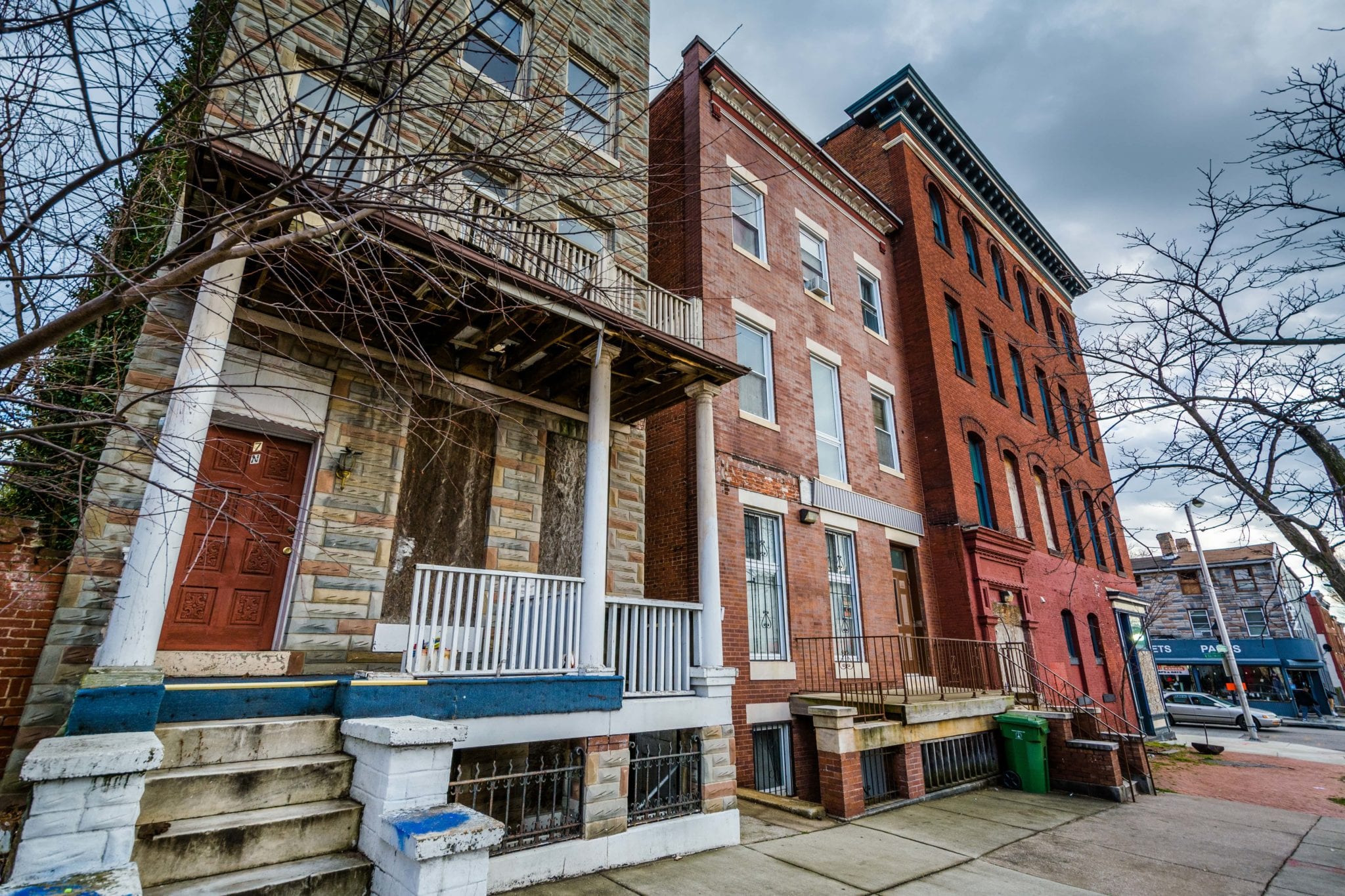 Whether you’re new to real estate investing or an experienced house flipper looking to do your first project in Maryland, you’re going to need permits. Below you’ll find each of the permits currently needed to flip houses in Maryland as well as some frequently asked questions about them.
The permits required to flip houses in Maryland include:
- Building Permits
- Electrical Permits
- Gas Permits
- Plumbing Permits
- Mechanical Permits
- Grading Permits
There are a few important nuances for real estate investors in Maryland that you should know. Licenses and permits are not one-in-the-same here. Individuals are not required to have a license to flip houses in the state of Maryland, however, permits are mandatory if the home undergoes any renovation. This means that you don’t need to be a licensed real estate agent to do the flip, but you will be required to get the right permits.
The permit itself ensures that a licensed professional completes the work. It also ensures that all work will adhere to local building codes and regulations.
Is it legally required?
In the state of Maryland, permits are legally required for the following renovations:
- Building permits are required for any construction on a building, which includes any alterations and/or repairs to existing structures.
- Electrical permits must be obtained for all electrical work, which includes the installation of electrical work in new structures.
- Gas permits are required for any equipment that involves gas fuel burning.
- Plumbing permits are required for any plumbing project, which also includes the construction of any new structure where the plumbing will be present.
- Mechanical permits are needed for any work that involves the installation of HVAC equipment.
- Grading permits may be required if the project involves a disturbance to the Earth’s surface.
Permit requirements can alter depending on the location of the renovation within the state. For example, certain areas of the Baltimore metro area that are deemed historical districts may require additional permits regarding exterior renovations.
Why is it a good idea to have a permit if it’s not legally required?
It’s always smart to obtain a permit to ensure the safety of both the occupants of the structure and the workers. Permits certify that the work being done to the property was completed by a licensed professional and is up to date on building codes. This also allows the seller to flip the property more smoothly.
What could happen if you flip a house without required permits or licenses?
If renovations were done to your property without the proper permits, the situation may not only result in penalties and fines, it may also cause delays in the selling of your property. In a much worst-case scenario, it could lead to costly lawsuits post-sale.
Bigger budget renovations such as plumbing and electrical will need a permit to serve as proof that the work was completed by a licensed professional and is up to code. If such renovations were done without a permit, they can still be approved after completion, but you may have to redo them or spend more money making the final changes if they are not up to proper standards. Not only will the costs to redo the work burden you, but you’re also delayed in selling the property, costing you even more money. That is why it is important to have permits for real estate investing in Maryland.
The good news is that if you either pull permits yourself or work with a trusted contractor who consistently pulls them, none of these costly consequences will apply to you. In summary, if you are flipping a house or doing any other renovations in Washington DC, you need to pull permits. Some projects will have a unique set of permits required, so if you’d like specific insight on your next project, talk to one of our lending experts today!
Underpinning Foundations – What You Need To Know
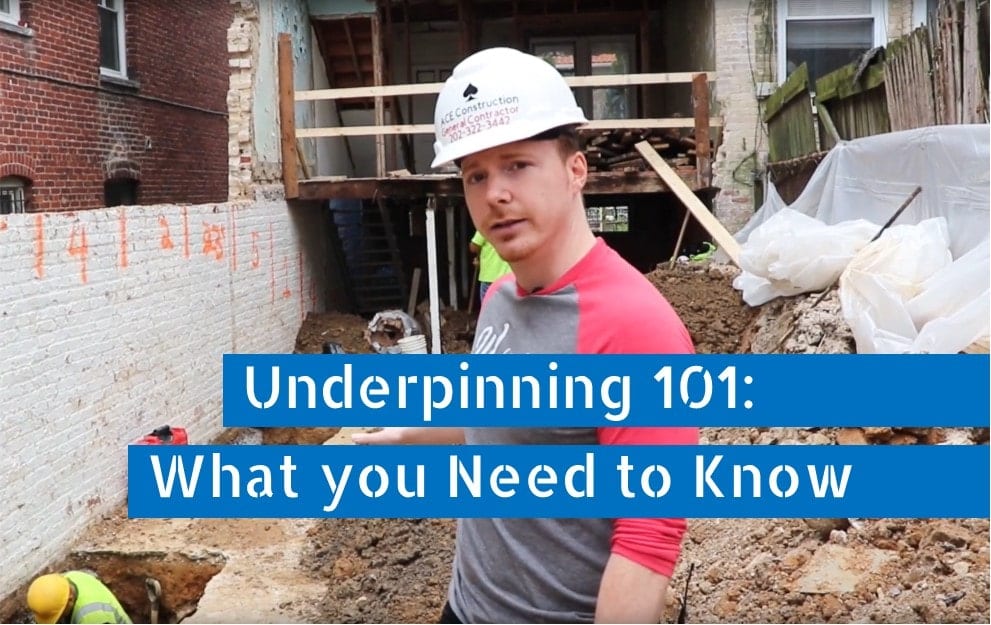
What is Underpinning?
When adding new stories to a property or repairing a faulty foundation, “underpinning” is the process used to improve and strengthen an existing foundation and allow for more load-bearing capabilities. It is common in restoring old buildings, “pop-top” renovations (adding stories to a property), and condo conversion (subdividing a property into multiple units – meaning additional load-bearing is needed for multiple kitchens, bathrooms, etc.). If you see cracks in a foundation or plans for a taller building, there’s a good chance that property needs to undergo underpinning.
Reasons for Underpinning
Most cases of underpinning are associated with faulty or unstable foundations. Such foundations are often the result of the age of the building or changes in the ground surrounding or under the existing structure.
You’ll also see the need for underpinning in the renovation and rehabbing industry as real estate investors plan to add additional stories to a property. For example, if you purchased a two-story building and want to add a third or even fourth floor, the foundation needs to compensate for that extra weight. The underpinning process makes such renovations possible, all while maintaining the integrity of both the foundation and the above-ground structure.
Types and Cost of Underpinning
There are several different methods of underpinning, though most require structural engineers to plan and execute properly.
Mass Concrete Underpinning a.k.a. “Pit Method”
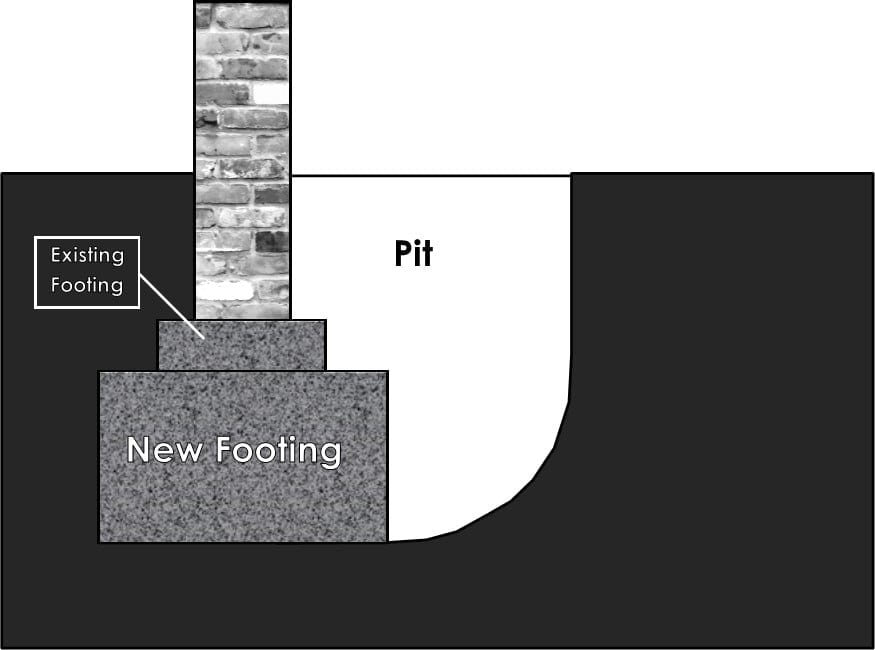 The most popular method is the traditional concrete underpinning also called the “pit method” which has been around for over a century. This method utilizes hand-dug pits that are strategically dug under the existing foundation (typically 8-12 feet apart) and filled with concrete. This method is the most popular due to the ease of engineering and the low cost of labor.
Needle Beam and Pile Underpinning Method
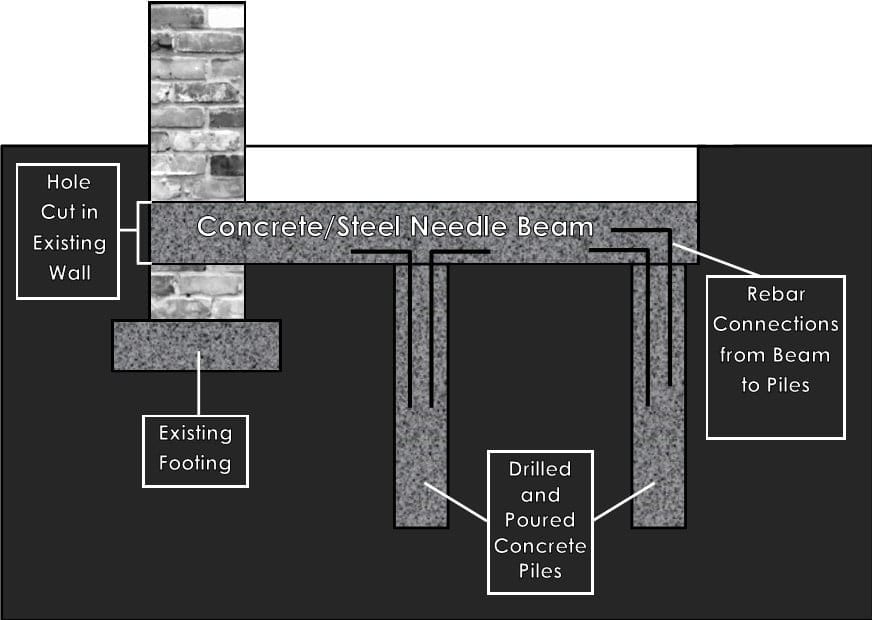 Beam and base underpinning is a more advanced (and often expensive) method that involves integrating a cast concrete beam that is reinforced with rebar that extends into additional concrete piles below the beam. This method spreads the load-bearing stress across multiple points.
Why is Underpinning Important?
Underpinning is important in cases where the existing foundation of a property is either damaged and therefore compromised, or if additions will be made to the structure that require additional load-bearing abilities. In both cases, underpinning is used to remedy the issue and maintain the structural integrity of the property. Without undergoing the process of underpinning, the structure itself could begin either slowly or rapidly collapsing – causing additional damage and costing much more to repair than underpinning would have.
Whether the existing foundation was damaged from an earthquake, erosion, or you simply want to add more weight to a property, underpinning should always be done with the consultation of an experienced structural engineer. Furthermore, you will want to use a contractor that has experience in underpinning projects, as this is not a repair that you should take a gamble on.
If you’re considering a renovation project that may require underpinning, contact us today to see how we can offer you financing for the project, but also guidance as you navigate the process.
The Pros and Cons of Out-of-State Real Estate Investing
 If your market is becoming saturated or quality property leads are drying up due to scarcity or high middleman costs, it could be time to consider out-of-state real estate investing. By moving into new markets you not only diversify your portfolio of assets but could also diversify your investing strategies. This post will help you to learn how to move into a new market, and how to evaluate the pros and cons. Let’s start by looking at how to pick your next market and then move into the pros and cons of real estate investing out of state.
Choosing an Out-of-State Real Estate Investing Market
The first step is to look at cities and states within an easy drive or quick flight from your home base and make sure the property types are in your area of expertise (or within the wheelhouse of a highly-trusted general contractor in that area). For example, if you are used to investing in NYC or Washington DC, you may already have experience with rowhouse renovations and condo conversions. That makes a city like Philadelphia a great option to look into since many of the properties and structural dynamics are similar. Plus its an easy drive or quick train ride from both cities.
If your primary market is Richmond, Virginia, your next move could be Raleigh, North Carolina or Baltimore, Maryland. This would allow you to stay at a similar price point for your fix and flip projects and also try your hand in rental property investing in these markets. By diversifying your investing strategies, you could make big profits in the short term and create passive income properties for the long term.
First Steps for Out-of-State Real Estate Investing
Once you have selected a new market that you’d like to move into, you need to apply the same level of due diligence to your market analysis and neighborhood research. The new market may have unique aspects, but any unfamiliar area that you’re looking to invest in should have proven comps and an active pool of buyers to keep you from making a costly mistake.
Next visit the area you’re looking to expand into and start building relationships. You’ll want to meet experienced agents, contractors, and hard money lenders to keep your projects running smoothly and at maximum profitability. Pick out several real estate investing meetups to hit while you are there, or simply arrange meetings with individuals that you might meet through investing Facebook groups or through BiggerPockets. Make the most of networking while you visit the area, but of course, leave some time to drive through neighborhoods and get an understanding of where other renovation projects are (since they can serve as comps for you later).
The Pros and Cons of Out-of-State Real Estate Investing
The pros of real estate investing in out-of-state markets:
- There are untapped and less competitive markets with similar properties which can make sourcing new projects easier.
- Diversifying your investments across multiple markets means that market fluctuations and new restrictions in one may not affect another. This allows you to quickly switch your focus to another market that you already understand and have experience in.
The cons of out-of-state real estate investing:
- You have to travel a larger distance every time you need to check on a project.
- Your project management fees can increase if you need to hire someone to be on-site on a regular basis, versus leaving the job to a contractor that needs your supervision.
If you’re ready to start expanding your portfolio into out-of-state real estate investing, use the steps above as a guide or contact us and one of our investing experts will be happy to help you navigate the process.
Why a Proof of Funds Letter is Required
 Have you been asked to provide a Proof of Funds letter by a seller and you’re not 100% sure why they are asking for one? We’re here to clear the air on Proof of Funds letters. Even if you want to make a cash offer on a property, the seller is going to want to know that you actually have the money to back it up. This is where a Proof of Funds letter comes in.
A Proof of Funds letter or “POF” is simply a document proving the liquid cash that you have available. It could be your own assets or a letter from banks, hard money lenders, or JV (joint venture) partners who will provide you with funding.
The point of the letter is to show that you are making a legitimate offer as a buyer. In the case that multiple people are making offers, by having a Proof of Funds letter, yours may be taken more seriously. Sellers prefer to see Proof of Funds letters along with offers to ensure legitimacy since they could end up wasting their time on a high-ball offer from someone who can’t actually deliver and miss out on other legitimate offers.
Now that you know what a Proof of Funds letter is and why it is important for the real estate buying process, check out more info on them below.
Is a Proof of Funds letter required for real estate investors to buy a property?
No, a Proof of Funds letter is not always required. If you are buying from a homeowner with no agent, it may not be necessary. However, when an agent is present, and multiple offers are on the table, the agent will want to see Proof of Funds.
An agent will also be present when the property is bank owned, real estate owned, or is listed with the MLS. Agents know that not all offers are legitimate, and may not take an offer with unverified funds seriously on behalf of the seller’s best interest.
How can I get a Proof of Funds letter?
- Banks – With enough money in your account, or solid credit history and job stability, your bank can provide you with a Proof of Funds letter. Alternatively, a bank statement can be issued and used as a Proof of Funds letter if you have the cash in your account. However, if a bank statement is used, you will want to take the necessary steps to protect your personal information.
- Hard Money Lenders – Hard money lenders provide real estate investors with a Proof of Funds letter when they’re ready to make an offer on their next projects. To secure one you will need to propose the property deal to the lender, provide the lender with the name of the entity purchasing the property, and information about your financial background.
When is the right time to get a Proof of Funds?
The right time to get a Proof of Funds is before making an offer on a home or property. Depending on the type of property purchase (personal or investment), and the institution that will be providing you with your letter, turn-around time can vary from one to four business days. Although some agents may give a 24-48 hour window to obtain a Proof of Funds letter after an offer is made, it’s best to prepare yourself by getting the Proof of Funds prior to shopping and making an offer.
What qualifies as a Proof of Funds?
Proof of Funds will change depending on how you’re financing the deal. Proving your available funds is not just limited to a Proof of Funds letter. The following can sometimes also qualify as Proof of Funds:
- Paper or online bank statement
- Certified financial statement
- Copy of money market account balance
- An open equity line of credit
Is a pre-approval letter the same as a Proof of Funds?
No. A pre-approval letter is not the same as Proof of Funds. Simply put, a pre-approval letter does not signify that the buyer is in possession of the liquid cash. A pre-approval letter shows that you have an existing relationship with a lender – not that you’ve been approved for the specific deal or that you have any liquid cash. A Proof of Funds shows that you do have possession of the cash.
Is this the same Proof of Funds as a homebuyer buying a house?
The difference between Proof of Funds as a homebuyer and an investor is the percentage it will cover. Homebuyers will typically need to provide evidence of funds to cover their down payment and closing costs along with a pre-approval letter. As an investor, you will be providing the seller with proof that you can outright purchase the property from them either from their own cash or a combination of their cash and funds that a hard money lender will provide. But the importance of a Proof of Funds letter is similar in both scenarios, as they provide the seller with a sense of security and establish a level of trust with the buyer.
What Permits Are Required To Flip Houses In DC
 Ready to flip your first house in the District but not sure about the required permits? If your real estate investing strategy is single-family homes then keep reading! If you’re looking to learn about the permits required for DC Condo Conversions.
Types of permits related to DC renovations and residential construction:
- Building Permits
- Supplemental Systems Installation (A/C, electric, etc.)
- Water and Sewer excavation
- Public Space Permits
One of the big benefits for real estate investors in Washington D.C. is that individuals are not required to have a real estate license to flip houses in the District, but all renovations to the houses, condos, and properties will require the investor to have the proper permits.
Permits are required to flip houses in DC for a few reasons. The first is that it will ensure all fixes and rehabs are up to modern code standards. The second is that permits protect the buyer or renter who will be living in your completed project. The third reason that DC enforces permits is that they require the work on your property to be done by a licensed professional.
All of these permits can also be your saving grace if the quality of your property is ever called into question, as they ensure that proper work was done and everything in your project was up to code at the time. The DCRA is the governing body that approves and enforces construction-related permits in the District, so be sure to browse their resources to double-check which permits apply to your project.
Now that you know which permits are required and recommended for flipping houses in DC, let’s go into some frequently asked questions.
Is it legally required to have permits to flip a house in DC?
In Washington D.C., the law requires a building permit for construction on any existing structure. A building permit must include a specific scope of work, and the plans must be approved for renovations to be completed.
Required building permits for investors in DC include:
- New construction
- Additions, alterations, and repairs
- Razes
- Demolitions
- Construction of any walls, fences, garages, or sheds.
- Signs or awnings
- A change in the layout of interior space (changing the floor plan to the building in any way, for example splitting one six-room apartment into two units with three-room apartments)
- Water or sewer excavation, along with supplemental systems installation permits for renovations that include plumbing, electric, and A/C, both require separate sets of permits. Only licensed D.C. contractors for the specific trade at hand are eligible to apply for these permits.
- Public Space permits are required when small structures such as a dumpster or a retaining wall are being installed in the space between the house and the curb, known as a public space.
What could happen if you flip without permits?
The easy answer is financial damage to you and your company. If you get caught performing construction without proper permitting, you will be likely be hit with a “Stop Work Order,” meaning all work is put on hold and you will be assessed a heavy fine. In addition to ensuring your construction moves along on pace and without fines, pulling all of your proper permits can be a major ally should you find yourself in a lawsuit with a buyer. Although permits are not a guarantee against potential litigation, the permits (paired with any required inspections) do serve as proof of credibility that the work was done accurately, and is up to standard and local building codes.
If during the inspection it turns out that the work was completed without meeting current standards, then you may need to fix the problems and have them re-inspected in order to continue construction and avoid a Stop Work Order.
The good news is that if you either pull permits yourself or work with a trusted contractor who consistently pulls them, none of these costly consequences will apply to you. In summary, if you are flipping a house or doing any other renovations in Washington DC, you need to pull permits. Some projects will have a unique set of permits required, so if you’d like specific insight on your next project, talk to one of our lending experts today!
What To Know About Your First Condo Conversion

Getting Approval For Your Condo Conversion
When doing a condo conversion for the first time there are some things you will need to do differently than your standard fix and flip. Because you will have to underpin the home, the permitting becomes more difficult. Because you are performing excavation almost on the neighboring properties as well, you have to get approval from the neighbors before starting the underpinning process. The neighbors need reassurance that their homes will not collapse during the process of excavating.
The Permit Process For a Condo Conversion
Once there is approval from the neighbors to excavate it’s time to get your permits. Getting approved permits for converting a single-family home into more than one unit will take much longer than your standard rehab. Normally, many DC investors will finish a single-family fix and flip between 4 and 6 months from start to finish, but condo conversion can take between 12 and 24 months. This is why you want to make sure you start your permitting process as soon as possible. The process begins with if the property is vacant or not, then goes on to lot zoning, registration application, and finally, a registered condo building.
More Information On Condo Conversions and Fix and Flips
If you’d like a more detailed walk through of the process you can find our guide to condo conversion here. If you want more real estate investing video content head over to our YouTube channel where we have a new video every Wednesday.