 Determining property values can be difficult if you aren’t seasoned in the industry or the local market. Add in the fact that properties in the Washington, D.C. metro area come with their own set of unique challenges, and where do you start? When considering property value, several different factors come into play.
Age A property’s age is important to note because the newer the home is, the more desirable it will be. An older foundation and structure are more susceptible to damage or weakening; an older floor plan is not as popular as today’s open floor plans; and older appliances will have to be replaced. Each of these factors will have an impact on the property’s value. Washington, D.C., and the east coast in general, is unique compared to the rest of the country because the housing stock is older. You will find more dilapidated properties for sale, which means there is generally more supply, which brings more opportunity for value-added products. In this area, there are fewer cosmetic renovations because a majority of floor plans are now functionally obsolete. Taking the time and money to improve these old floor plans adds a great amount of value to the invesment.
Condition The condition that the home is in is crucial to determining the value. And the better the condition, the higher the value. Your goal as investor is to try to find most dilapidated properties you can because you will be able to purchase the as-is property at a cheaper price, thus giving you the most room for adding value and increasing your margin when you sell the renovated property. If you plan on purchasing a property in poor condition, it’s a good idea to brush up on your negotiating skills before you meet with the seller. Understand the value of a new roof, HVAC system, etc. so you will be able to speak to that during the negotiation process. Not only will you sound more knowledgeable, but this will also give you a negotiating edge over other buyers.
Improvements Any improvements that you have made to the home will have a positive impact on the value. When it comes to flipping or rehabbing a property, the fastest way to add value is by updating and/or renovating the bathrooms and kitchen. An updated kitchen can be worth anywhere from $10,000 to $15,000, and a new bathroom can bring in anywhere from $5,000 to $7,000. The kitchen is often the most important room in the house, so taking the time to add new counter tops, cabinets, appliances and flooring can provide exponential benefits to your investment.
Neighborhood Home buyers generally place a lot of emphasis on the home’s neighborhood. Is it located in a good school district? Does the home sit on a busy road or in a quiet development? What is the crime rate? Are there local parks? Depending on the buyer, each of these questions can make or break their decision. That is one reason why it is imperative to look at comparable properties in the neighborhood.
 Every real estate investor has to deal with finding the right balance between time and money during their deal. Every deal is different, and, as an investor, you will always have to make decisions that will ultimately alter the timeline or budget of the project. Keeping both your time frame and budget within your goals can certainly be a challenge. But also remember that while it may seem like you are saving time and money in the present time, there could be hidden costs down the line.
Here are a couple things to think about when it comes to considering whether or not you should attempt to alter your budget and/or timeline:
Shortcuts
During a rehab, it can be tempting to take short cuts to try to save both time and money. These short cuts could include neglecting to pull building permits, electrical permits, or plumbing permits, not adding insulation, and opting to use materials that are cheaper than the code requires. If this is how you choose to balance your time and money, you must decide if it is worth the risk. We’ve been in the business for more than a decade, and more often than not, this sort of plan backfires on the investor. You could think that what you’re doing is saving you money, but in reality, it’s really costing you more in the long run. If the homeowner discovers an issue down the line because something was not done to code, you will then have to spend more money to either fix the issue or face the possibility of being sued. At WCP, we always encourage investors to go about their deal in an ethical way that, in the long run, will end up saving both time and money.
Scope of Work
Another way to figure out a good balance between your time and capital as an investor is to decide whether or not you want a smaller renovation and, in return, a faster turnaround time. While this may seem to be an attractive option, remember that the quick time frame and smaller budget will have an effect on the ARV. The less time and money you spend on a project, the smaller the price will be when you sell. However, these smaller projects also tend to come with less room for error since the scope is much smaller than a complete rebuild.
We at Washington Capital Partners have advised numerous investors on hundreds of deals over the past decade. Do you have questions about the process? Are you looking to being an investing career? Are you new to the area? Or do you simply want a second opinion on a property? We can help! Reach out to us today.
 When it comes to the business of real estate investing, there are a few key areas that you need to focus on in order to become truly successful. At Washington Capital Partners, we have seen hundreds of deals over the past few years, and we have seen all different kinds of investors. Through every deal we have seen, we can tell you that the single most important factor in your deal and you career as a real estate investor is the ability to create and maintain quality relationships within the industry.
Establishing strong bonds with local real estate agents, contractors, wholesalers, lenders, and even other investors can take your career to the next level. Professionals like Realtors and wholesalers can bring you deals before other investors have even heard about the property. Contractors can help you by consulting on a project before you even decide to take it on. And lenders, like us at WCP, can help you with every aspect of the deal, from finding a property to hiring a local contractor with a great reputation.
Always take advantage of these relationships, but remember that, like any relationship, you must nurture it. Be sure that the person or company you connect with benefits from their relationship with you. If you find a great contractor, agree to provide them with business when you purchase a property. If a local Realtor helps you find a great property, use them to sell the finished product. In these situations, they gain business, and you gain their trust and loyalty. They will also most likely help boost your reputation, which is crucial in this industry, especially when you are focused in on a local market.
As one of Washington D.C.’s top hard money lenders, we are constantly focusing on our relationships with local professionals to be able to provide our investors with the best possible service. We only work with those who know what they are doing and provide exemplary products in order to help you maximize your profits.
 Once you begin your investment project and you have your water-tight plan in place, that’s it, right? Nothing is going to change.
Well, we certainly hope that’s the case, but every now and then issues can pop up. This can be nerve-wracking, but if you know what to expect and how to handle it, it shouldn’t set your deal back too much. The number one piece of advice we can give you is to always have enough operating capital, generally around 10 to 20 percent of your budget, that is there for you to use in case something unexpected does come up. Here are a few factors that have the potential to change your deal midstream.
Value & Functionality
When you’re first starting out with your rehab, it can be hard to picture the finished product. It might look perfect in a 2-D drawing, but once the building commences and the house starts coming together, you might notice that certain issues begin to come up. Typically when you’re framing you get another chance to visualize the property and that’s when you want to make these decisions to save money. Functionality of the home is extremely important, so make sure that’s always in the forefront of your mind. For example, we had an investor that was working on a complete rebuild, and once the master suite closet was put in, he realized that it completely obstructed the view. A small tweak in his original plan was able to improve the home’s view, drastically improve the functionality and ultimately increase the home’s value.
Market Conditions
Real estate is a constantly evolving and changing market, which means there is a chance that these external forces could cause you to have to change something in the middle of your project. For example, if someone else is completing a rehab in the same area, and lists a 5-bedroom home for the same price you were planning on listing your 4-bedroom home, your plans will have to change in order to meet the market’s demands. If it is early on in your rehab project and you have the space, you could opt to add in a 5th bedroom. However, if the structure of the home is already complete, it will probably be too detrimental to go back and change the layout. In this case, you will have to consider adjusting your sales price.
Unexpected Surprises
There are some instances where unexpected and unforeseen circumstances arise in the middle of the project. The most common place for this to happen is when you are rearranging walls. Walls can hide issues that you would never have seen when you walked the property. There could be faulty wiring, termite damage, or an unstable foundation. These changes while not extremely common, are the ones that can completely unravel your budget. If you have a good amount of operating capital to fall back on, this will be a little easier to handle. After all, you can’t simply put a Band-Aid on an issue like this – no one will be interested in buying a home with a poor quality renovation.
Understand the Jobs
If you’re new to the industry, it’s a good idea to have a working vocabulary and basic understanding of the renovation process. The more you know, the better your advantage during the deal. Even if you hire a general contractor to complete all the work, it’s best to be involved in the process and have a strong understanding of the steps your contractor is taking.
At Washington Capital Partners, we see more deals in one month than most investors will see over the course of an entire year. Because of this, we have the experience to help you not only fund your project but also with anything that may change midstream. We can provide you with whatever resources you may need if an issue arises during your deal. In addition, with our extensive experience in the industry, there is a good chance we have seen and solved a similar problem before, and we fully understand that you cannot compromise on an issue in a way that will negatively impact the sale of your property.
 When you decide to invest in a property, it’s extremely important that you have a solid, fool-proof scope in mind before you move forward. Private lenders will need to review your scope of work, proposed draw schedule, among other important factors, such as the estimated after repair value (ARV). Asset based lenders focus on the numbers of a deal when determining the loan amount they can fund. One of those numbers is the ARV, which is directly tied to two very important numbers for a lender – the Loan to Value (LTV) and Loan to Cost (LTC).
If the renovation plans and costs change midway through a project, it could have a direct effect on the ARV. Because of this, you need to keep your lender in the loop for any alterations you make to your original renovation scope. Removing a wall or altering the floor plan can drastically change the ARV of a property. And if that changes without your lender’s knowledge, it can be disastrous for you and your deal.
Here are a few reasons you should consider before changing your scope during the rehab process:
Less Profit
If you stray from your original plan, you will end up paying more in construction fees, materials, etc. than you had originally planned. Loan modifications are not an easy process, and often impossible. It is unlikely that your lender will approve distribution of additional funds, which means you will have to come up with the money out of your own pocket. This also highlights the importance in having a reserve of working capital in the event there are surprises in your renovation. Excess expenses will hit your bottom line and could dramatically reduce your profit margin.
Default
Some hard money lenders require that you stick with the renovation scope and the approved ARV you presented prior to beginning your project. This could be cause for default and foreclosure. If this is the case, you could face extreme financial implications and a failed deal.
Penalties & Fees
Depending on your lender, changing the scope of a project midway could incur penalties and fees (that stem from default). Check with your lender to understand what fees you may incur by defaulting on your loan.
Loss of Business Relationships
By changing the scope of your project midway, you could risk losing a relationship with your lender all together. Real estate is a relationship business. You can’t put a price tag on a good working relationship with a lender that understands your business. Burning bridges will have a long lasting effect on your success as an investor.
If you do want to make changes midstream, check back next week for tips on how to go about it the right way.
 RealtyTrac recently released an on the 5 habits of highly profitable home flippers. While there are several different factors to consider when flipping a property, these 5 habits are an excellent place to start.
We have taken these national standards and compared them to those in our local Washington, D.C. metro area market. Be aware that while national averages seem attractive, real estate investing is extremely area-focused and the results of a national poll may not apply to your area.
Proactively Find Deals
If you are proactive about finding good deals, you can substantially increase your profit margin. This includes keeping an eye on websites such as GreatDCDeals.com, reaching out to your network of investors, and even asking a lender for help finding a good property for below market value. According to RealtyTrac, in 2015, house flippers purchased homes at an average of 26 percent below market value.
In our market, on average, your property discount needs to be closer to 30 or 35 percent to make a profit from the flip. But this is where we can help you. We can give you the resources and assistance you need to proactively find the right deal in the right neighborhoods/counties. The current market, the area, and the process you’ll use to purchase the property will all determine the price. Learn more valuing your property here.
Begin with the Final Sale Price in Mind
In order to successfully flip a property, it is a good idea to have the home’s final sale price (After Repaired Value or ARV) in mind. Not only is this required by most hard money lenders in order to secure a loan, but knowing the price you want to sell your property for after you have rehabbed it will help you budget out the project. Last year, flippers sold their completed properties at a 5 percent average premium above market value.
In any market, a new property will always sell at a premium. However, in order to determine the ARV, you must look at comparable properties and their locations to establish an appropriate sale price. It’s important to understand that time is of the essence and you have to factor in your cost of capital. You want to have the better looking property and price it accordingly with the neighborhood. The market may surprise you with the premium prices. We have been doing this in the D.C. metro market for more than 11 years, and we are happy to help you with any questions you might have about pricing out the ARV of your property.
Think Win-Win for Your Profits & the Neighborhood
Last year, the average value added to a flipped property was $55,000 nationally. This includes everything from upgraded kitchens, appliances, flooring, paint to complete rebuilds. Not only does creating a quality property help your bottom line, but it can help boost the neighborhood as well. Neighborhoods with updated homes tend to be highly sought after, and that can even garner you competing offers for the property. At the same time, you want to keep with the general feel of the neighborhood. Model your rehabs after existing renovated properties to insure you will satisfy the demand in a particular neighborhood. Read more about the importance of knowing the neighborhood here.
Seek First to Understand the Flipping Market, Then to Flip
In 2015, the average national gross return on flips between $100,000 and $200,000, according to RealtyTrac, was 54 percent. Flipping a house can be very profitable, but you must know about the market and the process before you commit to such a large undertaking. Purchasing an investment property without a plan is one of the most lethal mistakes you can make. Make sure you know exactly what you’re getting into and what type of property that particular market desires.
In the D.C. metro area, this Return on Investment (ROI) is probably closer to 20 to 25 percent. Making a 54 percent return is difficult after you factor in settlement costs, real estate commissions, seller subsidies, etc. Keep in mind, this is neighborhood/product specific. If you are buying a rowhouse in Washington, D.C. and converting it to condos, your ROI is going to be significantly higher, as is your risk.
Sharpen the Saw on Emerging Flip Markets
House flipping has become more popular over the past few years, and new markets are starting to emerge. The biggest market jump in 2015 was in Boise, Idaho, where the average flipping returns increased by 85 percent. Other stable flipping markets include Washington, D.C., Prince George’s County, Maryland, and Philadelphia, Pennsylvania. As experts in the field, we can help you find property any of the local DC Metro area markets. Prince George’s County in Maryland (as mentioned above) has excellent opportunities for investors and home buyers. This county continues to be one of the nation’s newest and most promising markets.
Read the full report from RealtyTrac here.
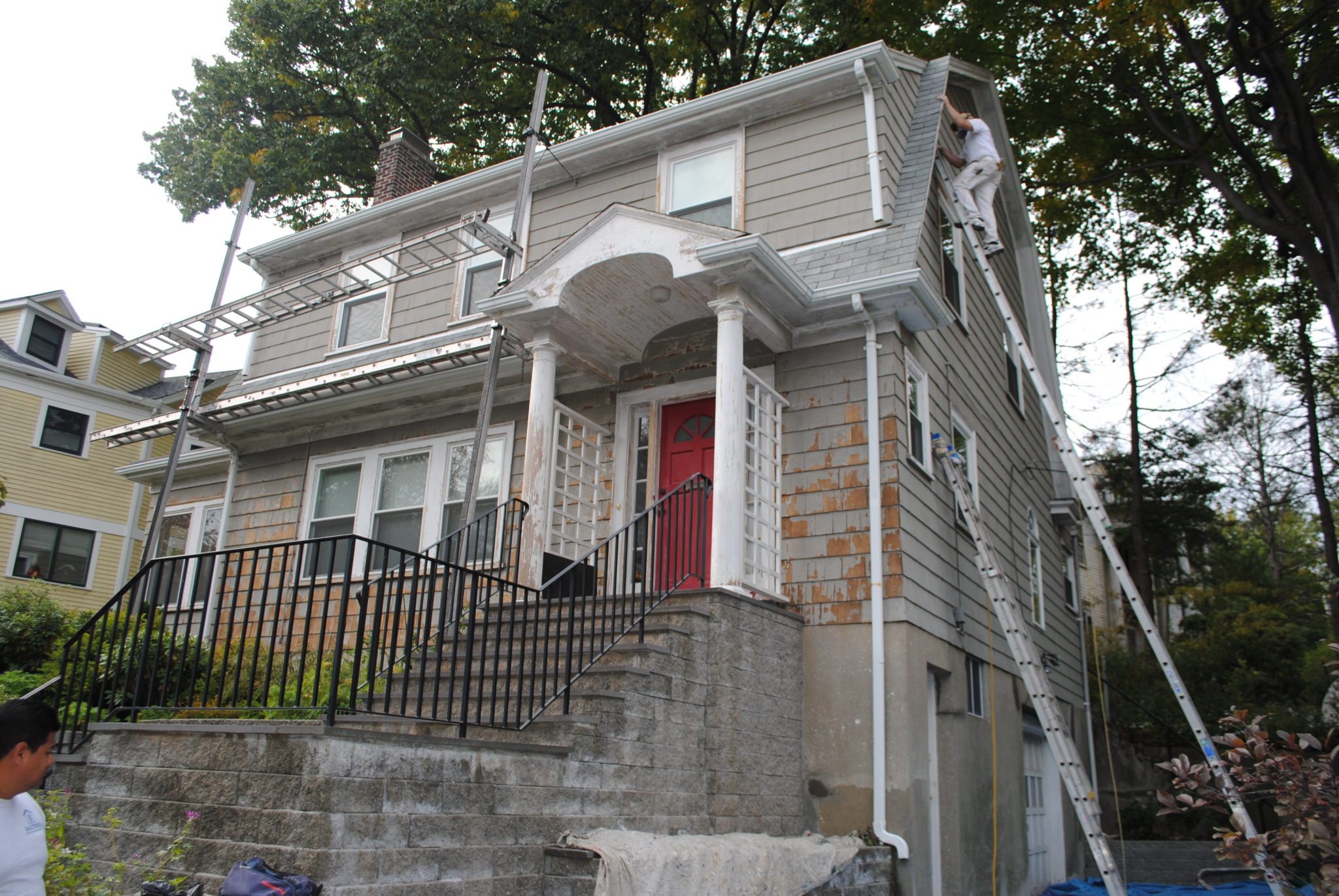
 The 2016 Spring market is here, which means buyers are beginning to seriously search for their new home. First impressions can often make or break a buyer’s decision on a home, and can influence whether or not buyers will even come to see your property. You have spent thousands of dollars bringing the property back from functional obsolescence or giving the property a much needed face lift, so don’t skimp on the curb appeal.
It surprises us that so often, investors will go to great lengths in fixing up a property, but can’t find the extra dollars to clean up the exterior. Painting the exterior will go a long way in attracting buyers. If you are flipping a house in an area where the market is softening, you’ll want to do everything in your power to sell fast. The longer your property sits on market the higher your holding costs will be. It is essential to make the investment into the exterior of the house. Here are a few ways to spruce up your home’s curb appeal to get more buyers in the door.
Landscape
Before you take any photos of your house, make sure the yard is presentable. Mow the lawn, trim back shrubs, and remove any large patches of weeds. A healthy lawn improves the overall look of the house.
Update Fixtures
Something as simple as replacing exterior light fixtures, your mailbox, or the house numbers can improve the home’s curb appeal. If buyers can see that the property is well-maintained, they should be more inclined to look into it.
Hose it Down
Pressure washing is a quick and relatively inexpensive way to instantly increase your home’s curb appeal. You can use it on the deck, siding, driveway and sidewalks of your property to remove dirt and grime that has built up on these surfaces. You’d be surprised at what a difference a simple pressure wash can make. As the homeowner, you might get used to the look of your oil-stained driveway and unwashed deck, but remember these buyers are going to look at every angle of the property with a critical eye.
Add Color
Adding a pop of color outside the home is pleasing to the eye. Whether you plant flowers in the yard, install flower boxes to your windows or front porch, or add a colorful planter, the various colors will brighten your landscape and make your home stand out.
Improve Lighting
Whether inside or outside the home, remember to think about lighting. Perhaps you want to add outdoor lights that focus on the landscaping of your front lawn. Or you could line the walking paths or highlight any custom fixtures. Solar lights are inexpensive, and can really improve your home’s exterior look. As far as the inside of your home goes, be sure to open your curtains, shudders and blinds so as much light as possible filters into the house. Brighter rooms are often more attractive, and open curtains tend to make the house seem more welcoming to any visitors.
Quality Photos
The photos you post online are usually the first impression buyers get of your home. Make sure you have high-quality photos of your uncluttered home to pique interest.
 Every now and then an investor will come across a property where it isn’t immediately apparent if they should keep the bones of the house and renovate the property or if they should completely rebuild. Usually, this is something that is easily determined after the investor does their due diligence looking into the property, but here are a few tips on what to look out for and what to keep in mind when making this decision.
 Working with a hard money lender isn’t rocket science. As long as you follow along with basic rules of real estate investing, your loan and your property should pan out as you expect. However, there are 3 terminal mistakes borrowers can make while dealing with hard money loans and investment properties that can immediately ruin a deal. Here are a few things to avoid.
Purchasing without a plan
Buying an investment property before you have a solid plan for it is never a good idea. Sometimes investors will purchase a property because they think it’s a good deal, then try to decide what to do with it. This is a recipe for terminating the deal. First, it’s important that you, as the investor, are at least a little familiar with the area you’re buying in. Home buyers in different areas have unique wants and needs for a home, which will affect how you should approach the design. If you purchase a property on a whim in an area you don’t know much about, you could end up creating a product that has no demand. Secondly, you must find a house that fits your plan, not the other way around. In order to successfully flip a property, or even to secure a private loan, your renovation plan has to be detailed and well thought out. Many private lenders will not give you the money you need until you provide information on the property as-is, your renovation plans, and an idea of the finished product.
Part of your plan must include an exit strategy. Many times investors see only one way out with an investment property: to rehab and sell. But this narrow thinking can lead to repairable mistakes such as terminated deals and lost finances. What if the house doesn’t sell? Or what if the market stalls? There are actually several ways to get out of a deal if the rehab and sell option doesn’t pan out. If, for some reason, that first plan doesn’t work out, your backup plan could be to offer a lease-purchase agreement, allowing a buyer to rent the property and give them the option to buy at a later date. At this point, you could also decide to hold on to the house as a rental property. Or, if none of these options work, you could also wholesale the property to another investor. You would most likely have to sell below market value, but you have the possibility to break even and not carry the monthly costs of the property and the loan.
Skimping on due diligence
Being an educated investor is half the battle when it comes to real estate investing. Once you know the area and what certain properties need to feature, flipping a property isn’t quite as daunting. By spending time to research properties and neighborhoods, you are creating a solid platform for a successful deal. You learn what kind of properties potential buyers are looking for, so you can provide exactly what they want. A big mistake is going into the deal blind and putting all your money into something that won’t sell. Here are a few tips on what to look for when researching a property or a particular neighborhood.
Wrong estimates
When obtaining a hard money loan, you are required to provide an estimated after repair value (ARV) of the property. Most lenders will complete an appraisal of the property. If your estimate of the ARV is drastically different from your lender’s, you may have to bring additional funds down at closing, which could kill your deal. Always reach out to a lender before you submit an offer, just to be sure you are comfortable with the financing requirements. A good lender will help you underwrite the deal and let you know whether it will be profitable.
 Before choosing your hard money lender, make sure you know exactly who you’re getting involved with. Some lenders will have hidden fees and policies that you won’t discover until you get the preliminary HUD. In order to avoid this, there are some crucial questions to ask before you sign any loan documents.
1) What are your fees?
Knowing exactly what fees you will have to pay will help you decide whether or not you should invest. Some lenders will offer a very low interest rate in order to intrigue investors, only to hit you with thousands of dollars in flat junk fees. Several lenders have these “junk fees” for things like underwriting, loan servicing, construction draws, and draw inspections. Not all fees are necessarily “junk fees,” but keep in mind that any reputable lender will be able to justify any and all of their fees to you before you commit to their services. The good news is, there are lenders out there that won’t charge you any junk fees. At WCP, we want you to be a successful investor so that you will continue to use our services and grow our relationship. We’re not going to achieve this goal by nickel and diming our clients.
2) What are your terms?
Your potential lender should lay out in detail items such as the length of their loans, origination points, and maximum loan to value ratio. In addition, ask your lender whether the interest is paid monthly or if there’s an interest reserve that’s required. Hard money loans are unique from traditional loans, so while you may know the ins and outs of bank loans, you can’t necessarily depend on that knowledge when seeking a private loan. Regulations and requirements are different for each industry, so be sure to always ask questions to expand your knowledge.
3) Do you support acquisition and construction funding? If so, how much?
Having a lender that can finance everything you need from acquisition to construction means less hassle for you, the borrower. Even if you don’t need all the services offered by the lender, rest assured in knowing that they have the ability to provide you with a variety of financing services, should your circumstances change.
4) Do you offer bridge lending?
Some lenders will provide short-term financing to allow you to close on a property if you have traditional sources of funding lined up. For example, if you have a commercial bank that you have a line of credit or a current loan with, we can provide 30-60 day bridge loans for significantly cheaper rates than longer-term loans to allow you to bridge the gap. Be sure to ask whether an institution supports bridge funding or not.
5) What documents do you require?
Typically, asset-based lenders only need corporate documents in order to close. Make sure to ask your lender exactly what they require, as the list of documents can often be extensive.
6) What is the draw process?
Ask your lender to go over the complete draw process before you agree to work with them. You want to make sure you will be able to get your money when you need it. A lender with a quick draw process is good to have in case you encounter any emergencies with your property and you need the funds to clear it up. Additionally, ask your lender whether they will fund the draws up front, or if you will be reimbursed for the draws. Many lenders require you to initially fund draws out of your own pocket and then, assuming you have met certain requirements and milestones in your construction process, they will release the funds.
7) Do you have your own in-house inspector?
It’s important to ask about a lender’s property inspector. Are they in-house or a third-party? If a lender uses a third-party inspector, those draw payments can be delayed since the lender doesn’t have control over the inspector’s schedule. Your lender needs to be clear upfront, and give an accurate expectation for construction draw delays due to inspector availability.


