5 Ways to Stage a Country Kitchen Like the Pro’s

Country style is more popular than ever, thanks to hit shows like HGTV’s Fixer Upper that regularly feature eclectic farmhouse decor. But this new demand being generated by TV shows isn’t your grandmother’s classic, country style with dusty, pink ruffles and ceramic ducks. “Modern country” is a sophisticated, minimalist style with a comforting “home-like” appeal that attracts a wide range of ages.
From young professionals wanting to come home to a comforting environment after hours spent in an office and middle-aged people who yearn for a return to their roots outside of major cities, this rustic yet modern style has achieved popularity across generations of buyers making it an ideal style choice for real estate investors who focus on flip to rent properties. Because of the mass appeal, it’s also a great style when staging a house to sell. If hiring a professional stager is out of your budget, check out the guidelines below to help stage your kitchen and home in modern country style.
Let’s dive into the most important room in country decor and staging – the kitchen, but first, here’s a definition to keep in mind while making your style choices and picking your fixtures.
What is a Modern Country Kitchen?
Modern country kitchens (or farmhouse style) are filled with natural materials, clean lines, repurposed items, and painted wood. Quality matters, so think classic decor and a neutral palette.
Tip 1: Know the Difference Between Rustic Kitchens and Dirty Kitchens
Staging your country kitchen starts with getting everything squeaky clean. Because “sophisticated country” style is uncluttered, any dust or dirt around will immediately stand out and make things look grungy. Be sure to have the space professionally cleaned and don’t forget the around the sides and back of appliances. If you’ve recently renovated, make sure all final “punch-out” work is complete, outlet covers are in place, and it truly looks ready to move in.
While a perfectly cleaned space is odorless, most people actually associate “clean” with specific scents. Light some country-inspired scented candles before showing your place to potential buyers and spritz some air freshener. Go for light scents like “lemon,” “apple pie,” or “cotton fields” and avoid heavy florals. A kitchen full of fresh or appetizing scents will put your prospects at ease, hopefully enough that they’ll start to envision themselves cooking at the stove or hanging out with family and friends. For many, kitchen-based memories tend to be some of the strongest, so having them picture themselves enjoying this room in particular can make the difference between moving the property or keeping it on the market.
Tip 2: Keep the Furniture Simple and Classic
The arrangement of furniture in your kitchen can make or break the space. This is especially important in condos and rowhouses that have eat-in kitchens and breakfast nooks instead of full-sized formal dining rooms. Choose furnishings that leave a big impression on how open and spacious the kitchen looks, and more importantly how your prospective buyers feel when they walk in.
Modern Country Furniture Includes:
- A set of windsor chairs
- Classic round painted pedestal table
- Natural wood farmhouse tables
- Natural wood or wood and iron slated benches that slide under
To complete the look, an accent rug featuring an attractive color scheme or pattern with some spacial definition will help to anchor the eating area regardless of where the nearest wall is.
How to Choose Modern Country Artwork
Artwork and wall hangings should fit in with a country chic theme, but don’t go for dated barnyard scenes. Think light, bright, and modern to appeal to today’s renters and buyers. An abstract of flowers or landscape photography from a nearby overlook are both good choices. Mirrors, especially placed opposite a window, can help bounce natural daylight around and make it feel more like a country home instead of a city dwelling.
Things to Avoid When Buying Country Modern Kitchen Art:
- Artwork with dated barnyard scenes
- Loud and bright colors
- Eclectic or contemporary pieces
- Artwork with a conflicting theme (ex: Tuscan, Coastal, Nautical, or Minimalist)
- Black and white pieces
Tip 3: Accessorize the Space With Food and Kitchen Gear
The trick here is to get the person to visualize fresh foods and trigger happy memories so they crave this space. You can help to give the illusion of home cooking by laying out a bamboo cutting board, create a happy and homey feeling by hanging shiny copper pots from a rack over the sink, and tucking wooden spoons into a vintage crock. As a bonus tip, lining similar items up in a row and putting things in order of color will make it look neat and intentional instead of chaotic. A country kitchen isn’t complete without a couple mason jars and sugar, salt and flour containers with labels.
Line your cabinets and shelves with bulk storage in clear jars. For a simple and reusable accent, fill them with kitchen staples like white rice, yellow popcorn, and dried green peas which take a long time to expire.
Tip 4: Bring the Outside In
Nothing says country like the outdoors, but it’s not always possible to fling open the windows for a breath of fresh air when you live in a crowded urban area. By playing up natural light if there are windows and bringing the outdoors in you can help the tenant to see there is a quiet escape to a calming countryside, even if they’re in the middle of an urban jungle. Here’s a few ways to do this based on the property’s specific situation.
If your kitchen faces the brick wall of the building next door, use wooden shades or simple curtains to cover them. If there’s no window in the kitchen, use a mirror with mullions to fake one. If your property is lucky enough to have a fantastic view or large glass patio doors, consider hanging a bird feeder outside to attract wildlife and add to the country vibe.
Bonus tip: Place the birdfeeder over grass or a garden area instead of a walking path if it is a home property so you don’t end up sweeping up bird seed before each showing and have the pathway covered in doodie.
Adding greenery throughout the kitchen, whether it’s a simple sweet potato vine climbing up the windowsill, or fresh herbs arranged in water are other options to help bring the outside in. All kitchens, no matter the size, can benefit from adding some organic plant life even if it’s just a couple of air plants attached to magnets on the fridge or by hanging a few succulents in circular glass bowls so they’re suspended in the air.
Tip 5: Country Charm and Hospitality
The final touches to make your kitchen warm and inviting is to keep hospitality in mind. Set things out that would make the potential buyer feel welcome. A bright kettle on the stove is a great way to start. If you have time to bake or just run to a store, placing baked goods and a bottle of milk with glasses for them to help themselves on a pedestal or tray is a great idea. If you want a classic feel because it is a family home, try adding a pitcher of lemonade with some pint-jar glasses on the table as a milk alternative. Making everything as inviting as possible may help the person touring to realize this is the right home for them.
A cozy kitchen and staging with comfort in mind can make selling your property quicker and easier. You can use the tips above and share your own in the comments below. Know someone who wants to get their home ready to sell but needs ideas for staging? Feel free to share this post with them on Facebook and Twitter.
Apps That Help You Find Comps Without The MLS

When you’re on the hunt for deals and find that perfect property for your next investment, you don’t want to miss out. Instead of relying on an agent who could be showing a property, stuck in traffic, or on vacation to pull comps for you, we’re going to show you how to quickly and easily find relevant comps yourself using your smartphone or a laptop without the MLS.
Below you’ll find a comparison chart featuring the pros and cons of each of the major web and app-based MLS alternatives as well as other free resources. By utilizing these free and paid apps to comp a property, you can get the potential as-is and after repair value of a property while waiting for your agent, so that you can roughly know the numbers before you even walk through a property. If the property ends up being what you’re looking for, you no longer have to wait for someone else to search the MLS and can go directly to the seller or seller’s agent to talk about the sales price.
The Best Free Apps for Finding Property Comps
Here are the top apps you can use instead of the MLS along with their pros and cons for both IOS and Android-based devices.
| App |
Pros |
Cons |
| Redfin |
- More detailed property tax information
- Shows WalkScore
|
- Redfin Estimate is usually high
- Comparable homes not always useful/relevant
|
| Zillow |
- Lots of sorting options
- Shows WalkScore
- Includes old MLS descriptions for homes not on the market
|
- “Zestimate” is often inaccurate and should be ignored
- Information not updated as frequently
|
| Home Snap |
- Very easy to use
- Take pictures and store them in app
- Pulls info from MLS
|
- Must log in to see all information
- “Estimates” for homes appear to be tax appraised value (low)
|
| Realtor.com |
- Easy to use map view
- Filter by price, home size, age, and more
- Scroll down to “similar homes for sale” for quick comps
- Updated often
|
- Get more information in desktop view than mobile view
- Sometimes hides price for older “sold” listings
|
Other App and Web Alternatives for the MLS to Find Comps
Now that you know which apps are solid alternatives to the MLS, it’s time to fill in the gaps with additional details you may not find on the apps listed above. To find these remaining items like neighborhood stats and amenities, here are a few more free options to finish your research and move to a quicker closing.
- Google Maps – By using this you can search for nearby amenities using the search box, find busy roads, easements, and in satellite view you can even see if neighboring lots are well kept or overgrown and filled with trash.
- Census Explorer – The interactive map tool can help you find out about the neighborhood demographics, income, and education to keep from pricing your flip too high or going too low. (Note: You need Flash for this site.)
- UrbanTurf (for DC neighborhoods): This is a great resource for all of the intangibles that locals will know, but an investor may not, like upcoming development projects, amenities and nightlife, and an honest, local perspective on crime and schools districts.
- Other Neighborhood Websites: Google the neighborhood and look at the history of the area. You can see who lives there and find out more about local amenities that can help you to market the property once you’re ready to sell. Sometimes you can even find the deed restrictions and covenants on the website to help speed through the title, escrow, and the closing process.
When you see the perfect potential property for your investing goals, waiting on others can drive you crazy, or even cause you to lose the deal. That’s why it can be beneficial to learn how to generate your own comps. With modern technology like apps and your smartphone, you can gather the necessary data and get a solid estimate to comp the property without needing the MLS. Once you have a good sense of the after repair value of a deal, you can use a
hard money loan calculator to figure out the cost of the project and get a quote. When you don’t have access to the MLS and time is of the essence, free apps and websites can give you enough information to estimate the value of a property to reasonable accuracy. All you have to do is know what to use, and what their strengths and weaknesses are.
How Furloughs Hurt Real Estate Investors & What You Can Do About It

When government staff aren’t at their jobs it delays loans, permits and even contractor availability which can be a nightmare for real estate investors. The best way to prevent problems is to be proactive, and one tactic to beat a potential shutdown is to make sure you get your permits and approvals promptly.
But how can you do this, and which ways can you be proactive? Let’s take a look at how to find ways to work around closed departments and find alternate solutions when offices are closed, and employees aren’t picking up phones.
The IRS Won’t Process Forms
When IRS employees are furloughed, they no longer process Form 4506-T, which allows banks and lenders to access past tax transcripts. This means they won’t be able to verify financials which can delay underwriting and funding of your project. A tax transcript isn’t the same as a tax return, so simply submitting a personal copy of your return might not be enough.
Banks have the leeway to get the transcripts after closing, especially if your income is well documented. Otherwise, you may need to seek out an alternate lender who can process a loan without getting your official tax documentation. A
bridge loan is another solution, allowing you to borrow funds for up to 12 months while you get your long-term funding in place.
FHA Loans Grind To A Halt
FHA and Freddie Mac will still back mortgages, but during a furlough they are short staffed. If you’re flipping single family properties, that can cause problems for your buyers as their approvals are delayed. Areas such as Washington DC or Texas with a high percentage of federal workers will be hit especially hard by a sluggish FHA underwriting process, and you may find your days on the market increases as buyers struggle to get mortgages.
If you must have a quick closing, consider limiting contracts to buyers who can self-fund. Another alternative is a short term “rent-to-own” type contract where your buyers rent the property for a short time with a commitment to buy when the furloughs end and loans are being processed on time.
DHS & E-verify System Cause Labor Shortages
Construction contractors who are unable to verify workers using the E-Verify system during a federal shutdown could have a shortage of skilled labor to get your projects done. The best way to prevent this problem from affecting your builds and rehabs is to work with companies that have low turnover and who keep employees around for a long time. Get referrals for good workers from your lender or other investors and talk to the workers on local jobsites to find out how long they’ve been with that company. Develop relationships with your contractors, and in return has the added benefit of making your other projects go more smoothly as they get to know your needs.
If finding skilled tradesmen becomes a problem, look around for firms that subcontract to federal prime contractors. They’ll not only be verified, but since they also can’t work on government projects during a shutdown, they might jump at the chance to do some residential or commercial work on the side to keep their crews busy. The GSA keeps a list of subcontractors, and while that list isn’t going to be updated during a shutdown you can still access it and find companies that were listed in the past.
USDA Loans Stop
Rural development loans through the USDA come to a halt during a shutdown. Not only are loan applications not being processed, scheduled closings aren’t completing on time which can kill a deal if the borrower can’t meet contingency guidelines. If your investment property is in a USDA zone, you can limit contracts to conventional mortgages so you don’t have to worry that your buyer’s loan won’t close.
If you’re the one relying on a USDA loan to close, you need to find alternate funding such as a conventional loan, acquisition loan or bridge loan. If you have earnest money at stake, another solution could be renegotiating your buying contract to allow the seller to remarket the property while giving you the right of first refusal. That way the seller can put it back on the market but you’ll still get a chance to claim it if you can find another lending source.
EPA & Army Corps of Engineering Won’t Issue Permits
If you’re developing a multifamily dwelling, river, or coastal property, you might need the Army Corps of Engineering to issue water permits related to section 404 under the Clean Water Act. Unfortunately, USACE shuts down immediately if the budget isn’t funded.
Prevent delays by getting permits, including for any dredging or construction that affects the waterfront, as early in the process as possible and if you sense a shutdown looming, communicate with your builders and your local permitting office to brainstorm workarounds right away to prevent long term delays. You need to call them before furloughs start to make sure there’s someone in the office to answer the phone. In some cases, permitting authority is given to the state which keeps the process local and functioning during a federal shutdown. If you’re not sure what permits are needed or which government authority to contact, start with our local municipal service.
Furloughs don’t have to stand in the way of getting your rehabs and investment properties flipped and back on the market. A little planning can prevent delays and problems and keep your business going during a shutdown.
Should You Rehab or Rebuild a Single-Family Home?

If you’ve just bought an investment property that needs a lot of work, you might be wondering if you should fix it up or just tear it down and start over. That is a common occurrence when purchasing a single-family home that has significant damage, leaving you on the fence. This post walks you through how to determine whether a rebuild or a rehab will be the best for your bottom line and the financing options that will work for you.
General Guidelines For When To Rehab Or Rebuild
There are some rules of thumb that you should know when determining if a rehab or rebuild makes more sense.
Consider a Rehab if:
- The floor plan is being changed but there are historical elements that add value to the home worth keeping
- You plan on adding new doors and new windows but will otherwise keep the exterior intact
- Asbestos is present, and encapsulation is more cost-effective than removal
Choose a Rebuild if:
- Multiple structural components like the foundation and roof need replacing
- The footprint of the current structure prevents you from getting your maximum ARV
- Structure has extensive damage from fire or flooding
How to Determine How Much Time And Money Repairs Will Cost
If you know what to looks for, you can usually get a good sense of the scope of work required to bring the property up to resale standards just from a walk-through. Deciding between a rehab or a tear-down and rebuild can be tough when a property is in really rough condition since both options have their own challenges and benefits.
Some issues with rebuilds include:
- New construction permits often cost more than renovation ones and the wait to get approved sometimes takes longer which increases your carrying costs.
- The entire process may need approval from a homeowner’s association including getting an extra set of blueprints for them to review and altering architectural elements to adhere to the HOA’s rules and standards.
- New builds may have to conform to new setback standards affecting the placement of the building, parking, and walkways.
- Extra research is needed to make sure you don’t over-improve for the neighborhood and end up losing money on your new structure.
Going with a rehab can also be tricky.
- Once you open things up, you could find unexpected issues that must be addressed and eat away at your profits.
- Replacing the plumbing or electrical takes more time and effort when you have to run them through existing walls.
- Foundation settling and sagging can make walls and floors uneven making it hard to install new drywall, cabinets, or trim in a straight line.
- Older homes might not fit standard sized doors, windows or other materials meaning you’ll have to replace the whole thing or custom order one to specific dimensions.
If you’re stuck, look for someone who’s been through the process before, perhaps a general contractor with experience on the same block, or another investor who can provide some guidance. You can also talk to your hard money lender and see if they’ve offered loans nearby and what problems they’ve seen or construction issues that have come up. They are always a great resource since they have dealt with a variety of projects with different concerns and have likely financed a property down the street.
The Best Financing Options for Rehabbing or Rebuilding a Single-Family Home
If you don’t plan to use your own cash, you need to determine which loan makes the most sense for your project; and this affects whether you choose a rehab or rebuild for a single-family home. It’s crucial to know how long permitting and construction will take so you can estimate your carrying costs. You also need to know how much money you can bring to the transaction to secure a loan with a desirable rate. Here are some of the more popular loan options and when they may make sense for investors.
- Acquisition-only Loan – This type of financing is perfect if you need to buy the property but plan to cover all of the construction costs out of pocket. A loan may cover up to 65% LTV with no prepayment penalty.
- Fix and Flip Loan – This is a short-term loan for a few months up to a year that provides money toward acquisition as well as 100% of the construction costs for your rehab, as long as they have been properly defined ahead of time.
- New Construction Loan – This is a 12-month loan for teardowns and infills when you’re building a new structure on an existing lot but need to finance the construction costs as well as the acquisition.
When you’re considering investing in a single-family home, carefully weigh your options. If you find yourself stuck in deciding whether to rehab or rebuild, talk to your lender. There’s a good chance they have the exact experience you’re looking for and they can help you make the best decision for your flipping business.
5 Things to Know Before You Invest in Hoarder Homes
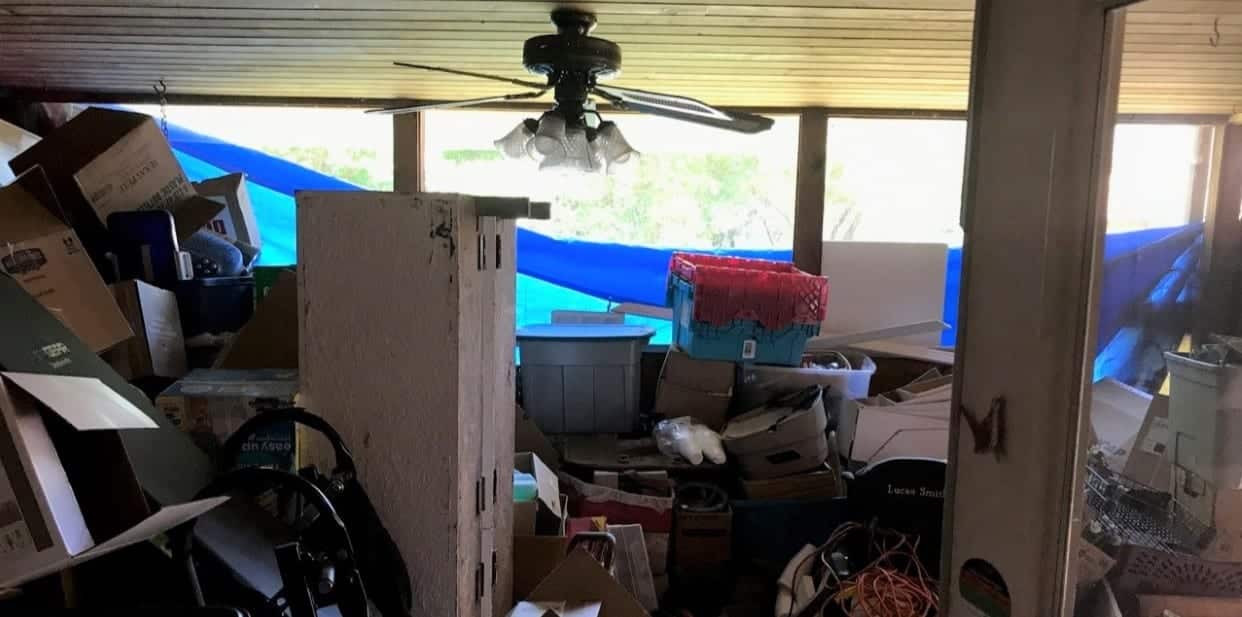
Compulsive hoarding disorder is more recognized than ever, thanks to hit tv shows like Hoarding, Buried Alive that attempts to help individuals defeat their unhealthy obsession with hoarding. Although some find watching the reality hit to be enjoyable, very few people would actually consider purchasing a hoarder home as their primary residence. Because of this only real estate investors are looking to buy these properties. But not all investors are willing to buy a hoarder home, meaning there is far less competition for these types of properties.
Why seek out a property with rooms piled with junk, infestations, and other issues only to be revealed during the clean-out? The low price. Real estate investors can make a large profit for purchasing and renovating a property no one else wants to deal with.
Tip #1 You’re Gonna Need a Bigger Dumpster
People with compulsive hoarding disorder hold on to things that they think will be useful for them in the future and have extensive collections. Although some items found in a hoarder’s stash are valuable and once they are sanitized can be sold, more often than not most of it is trash. Investors need to be prepared for a time-consuming clean-out that requires multiple trips to the landfill.
Below are some of the most common items found in a hoarder’s stash:
- A large volume of trash
- Furnishings
- Clothing
- Small appliances and electronics
- Collections
- Large junk like old cars
- Overgrown landscaping
Tip #2 Expect an Extensive Demo
When inspecting typical flip properties, you can usually know ahead of time if you can salvage materials like flooring and framing. Hoarder homes on the other hand, are cluttered with stuff and you won’t know the condition of many features of this house until the clutter is removed. To prepare for any deficiencies in your property, you should allocate extra funds for cleaning and repairs when filling out a
loan application.
Hoarder homes are rarely cleaned and maintained and because of that they deteriorate faster than other homes. Parts of a hoarder home that are usually damaged and need replacing include:
- Flooring and subfloors
- Plumbing fixtures such as bathtubs
- Appliances
- Drywall and framing
Tip #3 Water Damage is Common
Hoarder homes have more mold issues than other homes because water and leaking pipes often remain unseen behind and under the clutter. When these problems are not dealt with, mold can spread along the wood into other rooms in the house. As you’re doing your property inspection you’ll need to get an idea on the extent of the water damage so you can plan on the actual demo and construction costs. If you’re getting financing for a
fix and flip loan, your lender will ask for an estimated construction budget and if you underestimate the amount of mold damage, you might get stuck paying for repairs out-of-pocket.
How to Spot Water Damage in a Hoarder Home
- Look for rotten wood
- Inspect for rust stains around appliances and where pipes enter the house
- Use a moisture meter (even in rooms without plumbing)
Tip #4 There are Going to be Infestations
Rotting wood and unsanitary living conditions are common in hoarder homes and often attract insects and other animals. Those living with compulsive hoarding disorder collect and bring a lot of stuff into their home, making it easier for pests and other critters to find a way in. Once they make their way into the home it’s easy for them to hide amongst the piles of stuff. When you buy a hoarder home don’t be surprised if you come across any of the common household pests below.
Hoarder Home Infestations and How to Handle it
| Common Household Pests |
How to Handle it |
| Bed Bugs |
Have structure professionally heat treated |
| German Cockroaches |
Contact professional pest control, don’t use bug bombs which will just spread to other rooms. |
| Fleas |
Remove carpeting, contact professional pest control |
| Bees |
Have the hive relocated by a beekeeper |
| Wasps, hornets, yellow jacket nests |
DIY with wasp spray from your local hardware store |
| Mice and Rats |
You can DIY this, use traps |
| Other Animals |
Skunks, squirrels, raccoons, and snake infestations, contact local animal control |
Tip #5 You Might Need Professional Help
If you find yourself face to face with a biohazard that can potentially put you or your crew in danger, call an expert. Professional cleaners are trained to safely clean and remove any biohazards that could be in your property. Trying to handle a biohazard on your own and not disposing of it properly can expose you and others to diseases like HIV and hepatitis, infections, and chemical poisoning.
Contact an expert if you find any of these biohazards in your property:
- Human blood and materials saturated with blood
- Animal waste
- Bodily fluids
- Dirty diapers
- Needles
DC Neighborhoods Walk Score Map

Do you have clients looking for a home in the DC area? The map below shows you which DC neighborhoods have the highest and lowest walk scores and the different characteristics each have to offer. It gives your client a visual understanding of popular DC neighborhoods, while also helping you line up property tours in neighborhoods that fit your client’s preferences and lifestyle.
Real estate investors and realtors that invest should also use this map to get a feel for the neighborhood features that can increase your flip’s value. Once you’re ready for financing, pre-qualify for the
loan program that suits your investment style.

Please use the HTML code below to embed this graphic:
Those looking to live car-free in DC’s most walkable neighborhoods should focus on these top 10 neighborhoods. While each neighborhood has something unique to offer, access to metro stations, activities, and overall convenience earn them their high scores.
#1 Walk Score for Dupont Circle
The neighborhood that’s open to all, has it all. With the Dupont Circle Metro station, several bus lines, protected bike lanes, and pedestrian walkways, it’s easy to live here comfortably car-free. According to Walk Score, the neighborhood’s 17,057 residents can walk to an average of 47 restaurants, bars, and coffee shops in about 5 minutes.
With a large population of young and international residents, it’s no surprise that Dupont Circle is home to a dense concentration of libraries including:
- The Polish Library (For a small membership fee, individuals interested in or of Polish-heritage can browse over 7,000 books by Polish authors or about Poland)
- German Historical Institute
- Mason Library Washington D.C. (Open to Johns Hopkins students and alumnus)
- West End Neighborhood Library
#2 Walk Score for U Street
A vibrant collection of bars, coffee shops, and ethnic cuisine make U-Street one of the city’s most popular destinations for out-of-towners and party goers. However, those looking for a place to call home in the U Street Corridor will find that the “Barfly’s Paradise” offers a lot more than nightlife. Its large collection of art galleries and eclectic shops gives DCs most creative residents a place to call home.
Locals with small children can retreat away from the bustling scene of U Street’s restaurants and bars by walking to the Westminster Playground. Tucked away between some rowhomes, the well-maintained playground with its colorful mural-painted walls have toys for all ages and even a water area in the summer.
#3 Walk Score for Downtown Penn Quarter
On any given day, you’ll likely see Caps fans, Wizards fans, or concert-goers walking the streets of the Downtown Penn Quarter all headed to the Capital One Arena. With the largest arena in the district and the neighborhood’s vibrant scene of authentic Chinese food and museums, the Downtown Penn Quarter attracts a lot of sightseers. Nevertheless, 10,000 people call this sports and entertainment destination home.
In terms of transit, Penn Quarter residents have access to the Gallery Place-Chinatown and Archives-Navy Penn Quarter metro stations as well as nearby Metro Center hub that links to 4 lines. Bikers will find multiple bike sharing stations conveniently scattered throughout the neighborhood.
#4 Walk Score for Mt Vernon Square
Mt Vernon Square is close to everything you want, while far enough to give you a residential feel. Locals have their pick from multiple grocery stores including a 24-hour Safeway and Streets Market. Health-conscious people have a lot of options for exercise with everything from hot yoga studios to cross-training facilities just a short walk away.
Commuting residents have their pick of the green or yellow lines of the Mt Vernon Sq – 7th St-Convention center metro station.
#5 Walk Score for Logan Circle
Logan Circle’s 21,218 residents have access to 296 restaurants, bars, and coffee shops, including the well-known French bistro, Le Diplomate. Residents can stay within the neighborhood’s boundaries when they need to get groceries at Whole Foods or Trader Joes. From CrossFit facilities or a cycling class, residents have plenty of options for fitness in Logan Circle.
#6 Walk Score for Foggy Bottom-West End
Home to DC’s most famous institution of higher learning – George Washington University and the highly rated Schools Without Walls High School, Foggy Bottom – West End is the 6th most walkable neighborhood in the District. According to Walk Score, 410 restaurants, bars, and coffee shops are just a 5-minute walk away.
With the Foggy Bottom – GWU metro station, 11 bus lines, and 3 subway lines residents have no problem commuting out the neighborhood without a car. The neighborhood’s excellent public transportation also makes it easy for GWU’s 25,000 students to get to and from campus.
#7 Walk Score for Adams Morgan
Historically known for its bar scene and ethnic eateries attracting professionals and singles, Adams Morgan is becoming an up-and-coming neighborhood for young families. With the nearby National Zoo and 2 highly-rated public elementary schools: H.D. Cooke Elementary and Marie Reed Elementary – more and more young families are calling Adams Morgan home.
Excellent public transportation, multiple grocery stores, and fitness studios make it easy to get daily errands accomplished on foot or bike. And anyone who lives here with a dog will love spending afternoons at the S Street dog park. It has park benches for humans and paddling pools for your furry friends when it gets hot.
#8 Walk Score for Columbia Heights
Columbia Height’s 35,322 residents have no problem getting errands done with several chain grocery stores, corner stores, and a variety of gyms nearby. For activities outside of the neighborhood, residents have the Columbia Heights metro station nearby and the Georgia Ave-Petworth metro station just north of the neighborhood in the nearby Petworth.
Children in Columbia Heights attend Benjamin Banneker High School. According to Niche, Benjamin Banneker Academic High School is the #5 out of 34 for the best high school in the District and received an overall grade of an A.
#9 Walk Score for NoMa
With plentiful bike lanes, Walk Score has coined NoMa as a “biker’s paradise.” Residents on foot can easily get to the red-lined Union Station and NoMa-Gallaudet U New York Ave metro stations. Within NoMa are 2 dog parks, a Walmart Supercenter, a Harris Teeter, and a Safeway.
#10 Walk Score for Mount Pleasant
Mount Pleasant is the 10th most walkable neighborhood in Washington D.C. It’s 10,443 residents can walk or bike to a variety of 106 restaurants, bars, and cafes.
In addition to 5 grocery stores, residents can get local meat, produce, herbs, and flowers at the Mount Pleasant Farmers’ Market held every Saturday morning.
At the bottom of the list, these DC neighborhoods are missing the convenient features that others have. Realtors and real estate investors should be wary to buy in these neighborhoods due to their lack in walkability.
#45 Walk Score for Randle Heights/Highlands
With a walking score of 45, the Randle Heights/Highlands area lacks a lot of the conveniences and variety compared to other neighborhoods in the District. This Southeast neighborhood offers 3 small options for groceries: Dollar Plus and Food, Surprise Grocery, and J&D market. For a larger grocery store, residents can travel to the nearby Naylor Gardens neighborhood where they’ll find a Safeway.
#46 Walk Score for Hillcrest
Although some parts of Hillcrest offer spectacular views of the Capitol and Washington Monument, this neighborhood has very few amenities. It’s mostly residential, comprised of single-family dwellings and a couple of apartment buildings.
According to Walk Score, it’s 3,724 residents have access to 9 restaurants, bars, and coffee shops within the neighborhood.
#47 Walk Score for Deanwood
Although it was named one of the 10 “hottest” neighborhoods for fix and flips in 2017, Deanwood is still lacking in walkability. It’s 8,813 residents are limited to about 12 restaurants, bars, and coffee shops. They shop at 2 small grocery stores: Suburban Market and A&S Grocery, however, residents often travel outside the neighborhood to nearby Benning for Safeway and Carver/Langston for Aldi. Because the neighborhood is serviced by the orange-lined Deanwood metro station, residents have no problem commuting out of the neighborhood.
Community residents and those from nearby neighborhoods can enjoy the activities of the highly-rated Deanwood Recreation Center for an annual membership fee. Some of the activities and facilities include:
- Indoor swimming pool
- Library
- Multi-purpose fields mostly for football and soccer
- Playground
#48 Walk Score for River Terrace
As DC’s least walkable city, River Terrace is almost exclusively residential. Rowhouses, duplexes, and a few apartment buildings house it’s 4,814 residents. Children within River Terrace go to Thomas Elementary School which has an overall Niche grade of a C.
Both the River Terrace Recreation Center and Anacostia Riverwalk Playground give families a place for outdoor activities and sports. Although there are no metro stations within River Terrace, residents can walk to the nearby Minnesota Avenue metro station or catch a bus on one of the 6 bus lines that pass through the neighborhood.
Get a Free Customized DC Neighborhoods Walk Score Map
Get a personalized version of the DC Neighborhoods Walk Score Map with your logo and contact information. Use your custom map to send to clients are a resource or use it on property tours. Submit your logo and contact information using the
quick form and receive a free custom map.
Try These 7 Small Closet Conversions For Your Flip Buyers Will Love
Flipping older houses in historic districts can be profitable, but it also comes with challenges. Old homes are well-known for architectural detail but they often have tiny closets. The reason behind the small closets is that when most historic homes were built, people didn’t own many clothes because they were precious items that had to be made by hand.
In the past, there wasn’t much need for closet space. The clothes they did have were stored in armoires, chests, and wardrobes. Closets often weren’t even located in bedrooms, instead, they were tucked in off corners or underneath stairs. Fast forward to modern times with more clothing options these small spaces have become less practical. It’s time to repurpose them.
Below are 7 ways that you can turn these historic storage spaces into functional parts of a home, undeniably increasing your flip’s buyer appeal.
Build a Home Office Closet Conversion
Working from home and freelancing are hot trends among millennials, but they need a place to work. A built-in home office is a big selling point for young professionals, especially if you can put one in unused storage space instead of converting a bedroom. This works especially well if it’s located off the main living space or sleeping areas, and not in a high traffic area.
What you need to turn a closet into a home office:
- Add electrical outlets with USB wall plate covers at both standard and desk height.
- Install a floating desktop 30” off the floor to accommodate a small filing cabinet underneath.
- Replace the closet rod with shelving for storage.
- Add functional lights above the workspace.
Stage it with a laptop, a task chair, and elegant office accessories so your buyers can see themselves working there or even just paying the bills at their built-in desk.
Convert A Closet Into A Wine Cellar
Adding a wine storage or a dry bar can turn a tiny alcove off of the kitchen or living area into a focal point perfect for entertaining. If your target buyer is a professional couple or wants to add custom features, try this DIY wine cellar project.
What you need to create wine storage in a nook or closet:
- Remove the closet doors if any
- Build in wine racks with richly stained wood.
- Add elegant lighting and an electric outlet.
- Install an under counter wine fridge to keep bottles chilled to the perfect temperature, choosing one with front ventilation for airflow.
- Take the rod out and replace it with wine glass racks, more wine storage, and a storage box for the corkscrew and other bartending tools.
Stage the area with a bottle of bubbly and a couple of champagne glasses to let homebuyers see themselves celebrating their new home.
Make a Home Gym in a Closet
Putting a dedicated fitness area in your flip is appealing to many buyers. Especially, if your property is a row house or condo that doesn’t have a gym in the building. A space for workout gear doesn’t have to take up a lot of space or fill up a bedroom. This is a good choice for closets with doors so fitness equipment can be stowed away out of sight when it’s not being used.
What you need to transform a closet into a fitness area:
- Install a pull-up bar on the door frame and sturdy hooks on the wall for equipment.
- Screw anchor points into the studs for resistance bands or tubes.
- Add a shelf for an iPad to watch workout videos on.
- Build shelving or low box storage for free weights, kettle balls, and yoga mats.
Stage it with a few weights, a colorful exercise mat, and a colorful exercise ball.
Create a Cozy Calming Room For a Special Needs Child
If your investment property is a family home, consider adding a safe space for a child with autism or other disabilities. This can be a fantastic custom addition especially if you are in a school district known for having great special education services that attract families with special needs. It’s a good choice for a weird bump out or to tuck under the eaves in a secondary bedroom, or a closet at the end of a hall away from the main areas of the house.
What you need to change a closet into a calming space for a child:
- Paint the closet with soothing colors, like soft greens or blues.
- Change the light to a dimmable fixture and put in a daylight bulb instead of fluorescent or incandescent lighting.
- Add an outlet for a white noise machine or to charge tablets.
- Consider installing an anchor in the ceiling joist for a hanging swing chair.
- Change the door to a bifold or one without a latch and make sure it has some ventilation, or replace the door with a curtain.
Stage the area with rubber floor mats, noise-canceling headphones, and a bean bag chair with a soft, solid colored or weighted blanket.
Install a Panic Room Closet
Creating a fortified safe room as a luxury upgrade in addition to being a usable space for storage, is a valuable addition to any property. However, there still needs to be room for people to hide inside. The walls and door must be secured and creating a safe room is easiest for basement closets on exterior walls but any interior one with a door that swings in will work.
What you need to install a panic room in an existing space:
- Reinforce the door frame to prevent it from being kicked in.
- Replace the interior door with an exterior-grade steel one.
- Put in a flip down door brace or attach a door jammer to it.
- Add a keypad lock so family members can get in without a key.
- Secure the walls with poured concrete or cinderblock if you’re on the ground floor or basement, or line the walls with steel.
- Cover them with drywall and paint to blend it with the rest of the house.
- Add an electric outlet for cell phone chargers, and install an internet cable and a landline connection so people can call for help from inside.
- If your property includes an alarm or security system, put a panic button in the safe room as well.
Make a Toy Room
A home with children is a home with toys that parents trip over and clutter up the space. Built-in toy storage and a special play area can make your property into a family’s dream home. Toy room conversions are great for under-stair closets and odd corners with low ceiling heights that can be closed off with a door or curtain, and work in both bedrooms and main living areas.
What you need to create a hidden toy area:
- Paint the walls in soft, fun colors that are gender neutral.
- Add fun touches like a chalkboard wall or shatterproof mirror.
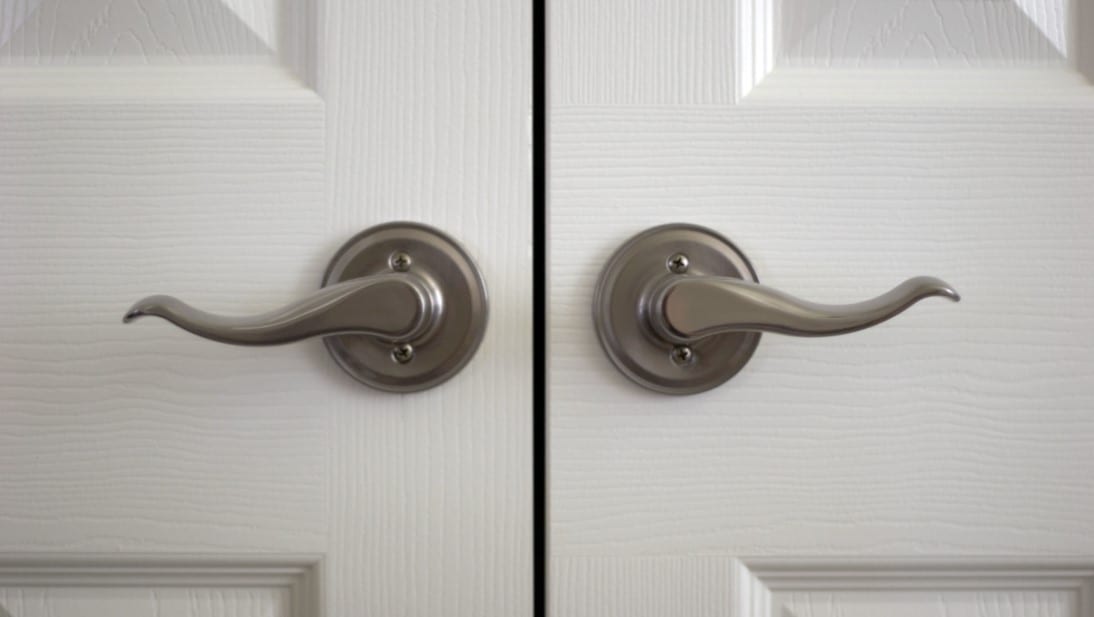
- Remove door locks and replace door knob with a child-friendly lever.
- Build in square cubbies for storage, which should be at least 14”x14” to accommodate widely available bins.
- Add shelves for games and books.
- Screw hooks or a coatrack into the studs about 30” high for dress up clothes or toys with handles.
- Install recessed lights that are flush with the ceiling. Adding a motion-sensitive light that automatically turns on is a nice touch.
- If you have room, consider a fold-down desk at child height.
Stage with a few toys, colorful cloth bins and a child-sized rocking chair with a picture book and a teddy bear.
Turn a Closet Into a Laundry Room
Turning a closet into a laundry room is a little more complicated, but it’s an investment that should pay off when it’s time to sell. It’s a good idea when you can move a garage laundry room inside. This also works if your property is a condo that doesn’t have its own machines. Without a doubt, potential buyers would enjoy not having to use the building’s public machines. This works especially well for a dead-end hallway that shares a wall with bathroom plumbing, but can also work off the kitchen or hall.
What you need to convert a closet into a laundry room:
- Plumb the space for the washer. You’ll need hot and cold water lines and a drain at the minimum.
- Install a 240 volt outlet and a vent for the dryer.
- Put in durable waterproof flooring and good lighting.
- Add shelving for laundry essentials and a built-in fold down ironing board.
- Be aware you may need a permit for this closet conversion.
Stage it with new appliances, a wicker laundry basket, fluffy white towels, and scented laundry detergent.
Converting closets is a smart way to add bonus space without putting in a costly addition. Take a new look at the underused nooks and storage spaces in your investment properties, and use these ideas as inspiration to upgrade your flip making it stand out in the listings and sell it fast.
How to Talk to Your Seller About Political Displays

DC and the surrounding area has a unique obstacle when it comes to selling a house, politics. Your clients may work in it, for a lobbying firm or a non-profit and have their sites set. From yard and window signs to photos on their walls, this may be why they came to the area, but those same things that encourage them may also hurt your ability to sell their property to home buyers and investors buying a property for a
fix and flip.
Here are four common occurrences of political displays and ways to talk to your clients about removing them to help not turn away potential buyers.
Be Honest
The first thing you should do is have a conversation with your buyer about how their signs may affect their house’s ability to sell. Let them know that even though they have an opinion, and it is valid, buyers after mid-term elections or any other time of the year could come from a different party. Their associations can create a negative feel for the space from the minute a potential buyer steps in the door. By removing it you’ll be able to show the property as soon as there is interest and create an apolitical space.
Give a Warning and Temporarily Stow Them Away
If permanent removal is not an option, settle for something different. Create a checklist of the glaring or at least most recent political signing and displays and have a box set aside. When you are ready to show a property, have your seller use the checklist to place photo frames in a drawer, put signs in a box or behind a window curtain and to send a text once everything is away. This way you’ll know when it’s safe to walk a potential buyer through the home and when your client can move the signage and displays back to their original places.
Wall Photos and Memorabilia
Working on political campaigns and meeting past figureheads from presidents to congresspeople, or even foreign dignitaries is an incredible experience. However, leaders have friends and they have enemies and you don’t know how foreign policy or other interactions impacted the potential buyer. DC is full of diversity so it’s important to keep this in mind.
Walk the property with the seller and take a note on how many photos are on the walls and the sizes of the frames. Then go to a convenience store, a craft shop or somewhere with inexpensive photo frames and art and replace them until the house is sold. Even if it isn’t a photo of the seller or their family, the buyer doesn’t need to know, they just want to see the space, not what causes the seller supports.
Political Bumper Stickers
If the unit has a garage and there are bumper stickers on the car, you’ll want to talk to your client about keeping these hidden from potential buyers. Regardless if they are about pets, family, funny, religious or political, these can be turn-offs to a potential buyer. An easy fix is making sure the back of the car with the bumper sticker is facing the far side or the wall. It lets the buyer see what the space is like with the vehicle and prevents them from being offended or turned off.
DC and politics go hand-in-hand, but offending buyers is just bad business. By using the tips above you may be able to help encourage your client to remove it, at least until their property sells.
6 Staging Mistakes with Artwork that Lower Flip Appeal

Adding art to your flip is a great way to add style and excitement – that’s if you choose the right pieces. Displaying art that is too large or intense can easily distract buyers from why they are there in the first place. Which is to picture themselves living in the home. It’s all too common that stagers assume buyers share their same taste in art or use the same pieces in every property they stage with little thought of what looks good in the buyer’s mind.
Don’t let a piece of art take away from that hard work you put into your
fix and flip. Avoid the 6 common mistakes below that investors and stagers often make when adding artwork to a completed flip.
Sculptures
Placing an overly large or confusing sculpture in your flip draws attention away from the space you’re trying to emphasize. The trick is to subtly place a sculpture in an area to draw attention to the space around it. You’ll know it’s overdone when a sculpture leaves a bigger impression than the space it’s in.
Keep the focus on your property by avoiding sculptures with any of these qualities:
- Have nudity
- Too modern or abstract
- Too big, making the room feel small
- Blocks views
Paintings and Prints
Over-the-top paintings or intense graphics can be an easy turn-off for a buyer. Avoid choosing pieces that contrast with the colors in the furniture, walls, and carpet.
Selecting the right size art can be an art in and of itself. Select your art based on the size of the room. If the room is large and spacious, then choosing a larger painting would be appropriate.
Before your open house, do a quick run-through of your flip to check your stager’s work. Even if they chose a beautiful, neutral painting that makes the room pop, it can still draw energy out of the room if the placement is off. When putting up artwork, place it at eye height. Resist the temptation to place art on higher walls because that makes the ceilings seem lower.
Artwork Lighting
Although lighting can highlight a phenomenal piece of art, if you bring too much attention to the piece it can take away from the features of the room. Some stagers love to work with artists that will lend them multiple pieces and lighting but don’t let them. Your flip isn’t a gallery exhibition; this is staging to sell your investment property.
If you do choose to illuminate the art in your flip, avoid any type of lighting that involves installation. Track lights and ceiling-mounted accent lights, may enhance or liven up a piece of art but they will leave holes in the drywall when removed. Buyers’ eyes will go to the bulky lighting structure and their heads instantly go from enjoying the space to how they’re going to get that down.
For a more casual way of illuminating art, go with a wall washer like
this one that sits on the floor. It’ll deliver a wide distribution of light and can be easily removed and stowed away.
Personal Artwork
Always avoid using photos of you, your family, and pets. Being surrounded by personal pictures and artwork can make buyer’s feel out-of-place. It’s never good when a buyer has a difficult time visualizing their future lives in your flip. If there are any kid’s drawings posted on the fridge or throughout the home, be sure to temporarily take these down.
Political Artwork
Politics are ever-present in the DC area. However, political displays in and around your house can lead buyers to make assumptions about the neighborhood, sometimes negative ones.
Refusal to remove any political displays could result in more days on market and lower offers. To be safe, remove all political signage and displays from the property to make your property a neutral, bipartisan space.
Chandeliers
Chandeliers uplift the style of any place, but if you’re not careful, it can easily overtake the room. A chandelier too large or small, or awkwardly placed can throw the whole room off. Any chandelier you install in your flip should be the right fit for the room and match the taste of the local market.
The same thing goes for the height of the chandelier. Nothing’s worse than bumping your head into a chandelier that’s hanging too low or a fixture over a dining table that doesn’t allow enough space for flowers or a centerpiece. Measure the amount of space you’ll need between the bottom of the fixture and the floor to make sure it’s a right fit for the room.
Investors can also shoot themselves in the foot by installing a chandelier in a location that buyers may not want one. In the DC area, buyers of row houses doing
condo conversion may forgo a formal dining table in order to save floor space. A way to help mitigate this risk is to run the electrical wiring to a designated spot, but simply cap off the mount for a fixture in the ceiling. This allows buyers to leave the space open for now, while allowing the option for a lighting fixture in the future. When it comes to smaller spaces, less is more.
7 Scary Kitchen Issues that Haunt DC Flips

A kitchen renovation is almost always a major return on investment. But it can also be one of the more complicated rooms in your flip to renovate, especially if you’re in the Washington DC area. On average, homes in this area were built in the 1920s. Although older homes bring character and unique design, it’s likely that these properties have issues that can hold up inspections, bust your construction budget, and even hurt you and your contractors.
When you identify the problem areas in your kitchen before requesting a
fix and flip loan, you’ll be able to budget for these renovations and get the correct construction funds from your lender. Don’t let structural or electrical issues frighten you from taking on a great investment. Here are 7 scary situations you need to watch out for when inspecting a potential investment property.
Mold and Mildew Creeping In Cabinets
Washington D.C. has more mold issues than many other cities because of the high humidity. Humid air that lingers in areas with moisture problems, especially cabinetry with plumbing, become the perfect breeding ground for spores. Mold spores will visibly stain walls and wood, but active spores are also dangerous because they can trigger asthma, allergic reactions, and lung infections. You’ll need to look beyond the obvious places to make sure you’ve taken care of all of it, even mold you can’t see, including:
- On top of every cabinet
- Walls
- Floors
- Ceiling
- Space between the backsplash and countertop
- Space between the wall and cabinet back
- Areas around the dishwasher
Use mold remover or bleach to get rid of the live spores. Always follow the directions on the package, then use a good stain blocking primer to cover up the dark sport before painting or wallpapering.
Mummified Plaster Walls
Homes built before WWII, likely have plaster walls. Drywall wasn’t used in houses until after the war when soldiers returned home and started getting married. Suddenly everyone needed houses right away. Drywall was the faster, cheaper option and the post-war boom made it the popular choice even though plaster is more durable and has more sound insulation.
Plaster is more difficult to repair than drywall. So if you need to make big changes to your kitchen, install electrical, or work on plumbing, you’re going to need lots of holes for access which means allotting extra time for patchwork.
The good thing about plaster walls is that they are pretty easy to identify. If your wall if hard, like concrete or rock, it’s plaster. If it’s soft and you can easily get a nail into it, it’s drywall. If you have plaster walls, you need to decide before you start your project whether you’re going to keep them or to change the walls out for more modern drywall. Plaster can increase resale value in historical homes, so you definitely want to keep it if you’re doing a rehab, but it’s hard to drill into it to attach things like kitchen cabinets.
If you need to do extensive plumbing, wiring, and insulation work, run the numbers and see if you’ll come out cheaper replacing everything vs. repairing the plaster when it’s all done.
Invasions and Infestations With Deadly Consequences
Pests can be annoying, but there are several local creatures that can be dangerous to humans and pets. Snakes, rodents, and bugs that can kill, or at least make you very sick, are unfortunately common in the area. Here’s a guide to harmful animals you might find while flipping a home the D.C. area and what you can do to control them:
| Type of Pest |
Danger to Humans |
DIY Pest Control Tip |
| Black Widow |
Venomous bite |
Easy to kill by spraying with insecticide or soapy water. |
| Centipedes |
Venomous bite |
Get rid of rotten wood in floors and cabinets so they aren’t attracted to your kitchen. |
| Cockroaches |
Can trigger asthma attacks |
Avoid using bug bombs. You’ll drive them out of the kitchen and into the rest of the house spreading the infestation. |
| Copperheads |
Venomous bite |
If you remove their food source of rats and mice, they’ll move on. |
| Rats and Mice |
Spread disease |
Stuff steel wool into cracks and crevices around kitchen pipes where they exit the house or go through the floor. Rodents can’t chew through it to find their way in. |
Old Wiring Causes Extra Problems In The Kitchen
Discovering that your property has old wiring is not uncommon with DC homes. Houses built before the mid-70s, which includes most homes in the DC area will either have outdated knob and tube wiring or aluminum wires that will need replacing. Even if your property’s wiring has been updated you might have other electrical issues that could keep your reno from passing inspection including:
- Not enough outlets in the kitchen, especially near countertops
- Circuits that can’t handle modern appliances
The 2011 NEC (National Electric Code) has been adopted in Washington, D.C. as the standard and it has several requirements that you might need to update. For example, kitchens will need a 4-plug connection for stoves and a dedicated branch circuit for the range hood. The dishwasher and sink disposal might need to be on separate circuits, too, and you may need to install GFCI outlets near the sink.
You’ll need a licensed electrician to do a thorough inspection of your property’s system so you can adjust your construction budget accordingly.
Shocking Home Repairs and Horrible DIY
Older homes have often had several homeowners, and any one of them could have attempted some poorly done DIY home repairs. Whether it’s from inexperience or just not knowing better, bad DIY is a recipe for disaster especially in the kitchen which often has water, electric, gas appliances all in the same room.
It’s impossible to list all of the ways repairs real estate investors find cobbled together in a kitchen, but you’ll know a bad DIY job when you see it. Some people get truly creative when solving a problem in the home and can cause multiple issues from a single fix. Here are a few warning signs that you might want to have things looked at by a professional:
- Using the wrong material for the job, like using duct tape on pipes or adhesive vinyl glued to countertops.
- Wonky cutouts and customizations, like holes cut into the sides of cabinets to make way for an electrical cord.
- Multistep processes, like a light switch that moves a lever, which then presses a button to turn a light on.
- Extension cords that are permanently attached to appliances or outlets.
- Visible glue or adhesives oozing from cracks and joinery.
- Non-standard sizes, like countertops that seem too high or a dishwasher that doesn’t quite fit in its space.
If you spot any of these home repairs gone wrong, correct it as soon as you can even if it means hiring an expert. You’ll bring value to the house by bringing it up to code and as a result pass the building inspection.
Lost In the Labyrinth
Open floor plans are all the rage in the 21st century. However, long ago rooms used to be difficult to heat and people wanted privacy in closed off rooms. You might have noticed some older homes in DC have tiny rooms and long corridors filled with doors. Kitchens, in particular, are usually closed off from the rest of the house, so the stove wouldn’t heat it up in the summer and to keep heat in during the winter. If your home has a weird layout, it may be because of this or partial renovations. It’s common for past homeowners to do partial renovations over the years to make room for new inventions like refrigerators and microwaves, leading to an awkward space.
Kitchens often suffer from problems like doors that bang into each other when you open then. Hiring a designer to correct an issue like this one or other common issues like:
- Windows in odd locations
- Windows blocked by permanent fixtures like cabinetry
- Kitchen layout that feels more like a maze
A good kitchen designer will know all of the best practices for an efficient kitchen that’s easy to work in, and their expertise will be invaluable in helping you make the most of the room.
Disgusting Blobs And Other Plumbing Problems
Plumbing is one of the biggest projects to tackle in a kitchen flip. Especially, when flipping older homes, older plumbing fixtures have their own set of problems. As the times change, expectations and preferences for kitchen amenities and design change. The design of older kitchens just aren’t up to modern standards. Most investors realize this and know they will need to install water lines or drains to accommodate ice makers in the fridge or adding a dishwasher.
Lead and galvanized pipes were commonly used in plumbing fixtures in the past can cause headaches during your flip. Lead pipes are dangerous and can leach lead into your drinking water. Studies have found that water for lead pipes can cause birth defects and learning disabilities. These pipes will often corrode and wear out leaching sediment and making water taste terrible.
They can also collect household waste that goes down the drain including cooking grease. Significant grease build-up that eventually congeals into a “fatberg” clogging the drain with a giant blob of fat. How bad is the problem? Last year Baltimore spent $60,000 removing a giant fatberg that had been growing for over 60 years and had blocked a 24” sewer pipe.
If you manage to avoid revolting clogs, you might have to deal with another problem with the plumbing in DC: burst pipes. An empty home left unheated for the winter, exposes interior and exterior plumbing to freezing temperatures. Indoor plumbing can develop leaks or splits after a hard freeze, especially if it’s on an outside wall. You won’t know that it’s even a problem until you turn on the faucet and see water coming out from under the sink. If a pipe froze and then thawed when it turned warm again, the water could have leaked into the cabinet or floor below causing water damage or mold.
Carefully inspect all plumbing and the surrounding area before having the water turned back on. If the home is vacant or abandoned, ask the seller’s agent if it was winterized to protect the pipes. You’ll also want to be on the lookout for soft spots on the floor, especially around the sink, that might indicate rotten wood or water damage caused by leaks. Also, have the water tested for lead and other contaminants, and if the kitchen drain seems sluggish, have it checked by a licensed plumber.
Investing in properties and flipping homes is a great opportunity in a hot market like DC, and you shouldn’t let possible issues scare you away. Confront any problems that arise and you’ll be ready to close the deal and start on your next flip before you know it.
Flipping homes is a great opportunity in a hot market like DC, and you shouldn’t let these issues scare you away. Fortunately, most kitchen problems are easy to fix if you understand the basics of how the systems work or know an expert that can assist you.